
Quick Answer
Mashed potatoes last 3 to 4 days in the fridge when they are cooled promptly, stored covered, and kept at 40°F or below. If they sat out for more than 2 hours, were packed in a deep hot container, smell sour, look moldy, or have an unknown date, throw them out instead of trying to stretch the timeline.
That 3 to 4 day answer covers homemade mashed potatoes, prepared instant mashed potatoes, and mashed potatoes mixed with milk, butter, sour cream, cheese, or gravy. The exact texture may change sooner, but the safety decision should start with time, temperature, and how the leftovers were handled.
CookBuddy Kitchen Note
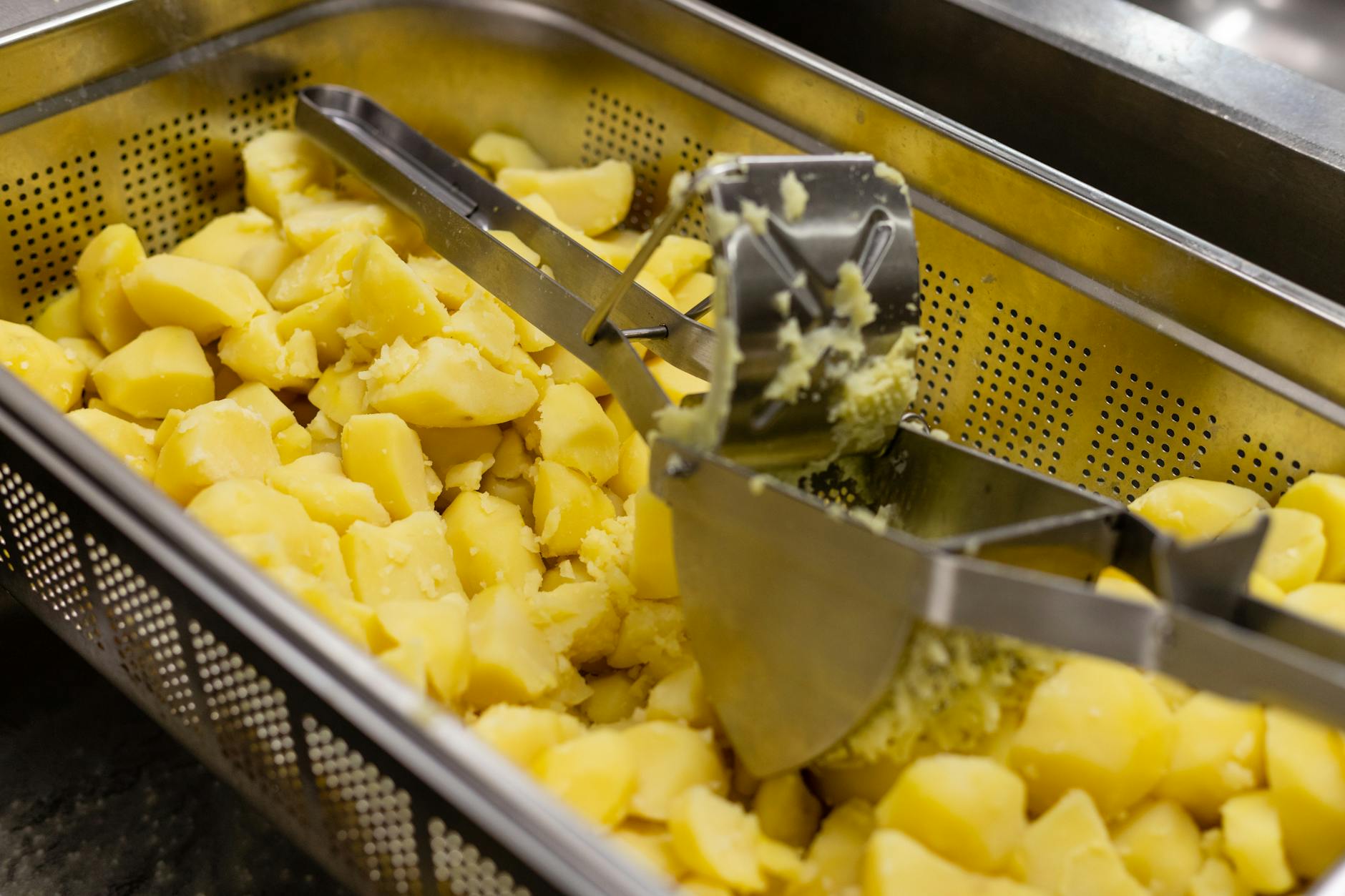
In a home fridge check, mashed potatoes held their texture better when packed in shallow containers instead of one deep bowl. The date label mattered just as much as the lid because by day 3 the container looked fine, but the safest decision still depended on knowing when the potatoes were cooked and cooled.
| Mashed potato situation | Safe fridge time | Best next move |
|---|---|---|
| Homemade mashed potatoes, cooled and covered | 3 to 4 days | Label the container and reheat only the portion you need. |
| Instant mashed potatoes after mixing | 3 to 4 days | Treat them like any cooked leftover once water, milk, or butter is added. |
| Mashed potatoes with gravy, meat, or cheese mixed in | 3 to 4 days, sometimes shorter if the added food is older | Use the oldest ingredient's date and reheat to 165°F. |
| Left out overnight | Do not refrigerate and save | Discard. The time at room temperature matters more than fridge space. |
| Frozen while still fresh | Not a fridge item after freezing | Use within 1 to 2 months for best texture. |
Quick navigation
Why mashed potatoes last 3 to 4 days
Use 3 to 4 days because mashed potatoes are a cooked, moist, perishable leftover. The FoodSafety.gov cold storage chart lists several cooked leftovers and cooked dishes at 3 to 4 days, and its chill guidance says refrigerators should stay at 40°F or below. Mashed potatoes fit that cautious leftover pattern.
Potatoes themselves may seem sturdy, but mashed potatoes are different from whole raw potatoes. They have been cooked, mashed, handled, and often mixed with dairy, broth, butter, cheese, or gravy. Each step adds moisture, utensils, and serving time. Cold storage slows bacterial growth, but it does not reset the clock.
The fridge date starts when the potatoes were cooked, not when you first open the container again. If you made them Sunday night, day 4 is Thursday night. If they were served at dinner for 90 minutes before packing, that time still counts as part of the handling history.
CookBuddy storage rule: If you cannot remember the cook date, use the shorter answer. A dated container is useful because it removes the guessing part from a safety decision.
How to store mashed potatoes in the fridge
Store mashed potatoes in shallow, covered containers within 2 hours of cooking or serving. FoodSafety.gov's chill guidance says perishable foods should be refrigerated within 2 hours, or within 1 hour when the food is exposed to temperatures above 90°F. Shallow containers help the center cool faster.
Use shallow containers, not one deep bowl
A deep bowl of mashed potatoes holds heat in the center. Divide a large batch into 1- to 2-inch-deep portions before refrigerating. This matters most after holiday meals, meal prep, or big Sunday dinners, when a huge bowl may sit warm longer than expected.
Cover tightly and label the date
Use an airtight container or a covered glass dish. Pressing a lid on loosely is better than leaving the food uncovered, but a tight seal protects against drying, fridge odors, and utensil contact. Write the cook date on tape if the container is not transparent.
Keep additions in mind
If you mix in older gravy, roasted garlic, cheese, bacon, or turkey pieces, use the oldest ingredient's timeline. If the mashed potatoes are plain and the gravy is separate, store them separately. That gives you cleaner texture and an easier safety decision later.
For broader fridge habits, pair this guide with how to make food last longer in the fridge and the site's food storage hub.
How to tell if mashed potatoes are bad
Throw away mashed potatoes if they smell sour, yeasty, fermented, or rancid, or if you see mold, gray patches, bubbling liquid, slime, or a separated watery layer with an off smell. Spoilage signs matter, but a clean smell does not make old leftovers safe.
Do not taste a questionable spoonful to decide. The safer decision is based on the date, storage temperature, counter time, and visible condition. If any of those details are missing, especially after day 4, discard the potatoes.
What about a dry skin on top?
A dry top layer can happen when mashed potatoes are loosely covered. It is not automatically dangerous if the food is still within the 3 to 4 day window and smells normal. Stir in warm milk or butter during reheating if the texture is the only issue.
What about sour cream or cream cheese mashed potatoes?
Use the same 3 to 4 day fridge window. Dairy-rich mashed potatoes can taste stale or separated before the full window ends, especially if they were uncovered. If they smell tangy in a way that was not true when fresh, throw them out.
When in doubt, throw it out. That advice is not dramatic. It is practical because you cannot see every food-safety risk with your eyes or nose.
How to reheat refrigerated mashed potatoes safely
Reheat leftovers to 165°F. The FoodSafety.gov safe temperature chart lists 165°F for leftovers, and its 4-step food safety guidance says microwaved food should be stirred and heated thoroughly. For mashed potatoes, stirring is important because cold pockets hide easily in dense food.
Best stovetop method
Put the potatoes in a saucepan over low heat with a splash of milk, cream, broth, or water. Stir often until hot all the way through. Add butter near the end if the potatoes look dry. Low heat protects texture better than blasting the pan.
Best microwave method
Microwave in a covered dish, stir after each short burst, and check the center. A thick scoop can be steaming on the outside and cool in the middle. If serving a child, older adult, pregnant person, or immunocompromised guest, use a thermometer rather than guessing.
Can you reheat mashed potatoes twice?
It is better to reheat only what you plan to eat. Repeated cooling and reheating hurts texture and increases handling. Portion the leftovers before reheating, then keep the rest covered and cold.
If texture is your main problem, see how to reheat leftovers properly and what to do with leftover mashed potatoes for potato cakes, soup, shepherd's pie topping, and other ways to use a firmer cold mash.
When to freeze mashed potatoes instead
Freeze mashed potatoes if you know you will not eat them within 3 to 4 days. Freeze while they are still fresh, not after they have already become a day-4 mystery. Butter and dairy help frozen mashed potatoes reheat creamier, while lean, broth-only mash may thaw grainier.
Pack the potatoes flat in freezer bags or small airtight containers. Label the date and portion size. For best texture, use them within 1 to 2 months, especially if you want to serve them as a side dish again.
For a deeper freezer plan, use Can You Freeze Mashed Potatoes? and how to freeze leftover food. If the batch is dairy-free, the texture tips in mashed potatoes without butter also help when you reheat.
Day-by-day fridge plan
A day-by-day plan helps because mashed potatoes often get packed after a large meal, then forgotten behind other leftovers. If you do not have a date on the container, skip this table and use the safer choice: discard, or freeze only if you are still confident they were made within the safe window.
| Fridge day | What to do | Why it helps |
|---|---|---|
| Day 1 | Store in shallow covered containers and label the date. | You protect cooling speed, texture, and the safety timeline. |
| Day 2 | Use for a side dish, potato cakes, soup thickener, or shepherd's pie topping. | The potatoes are still fresh enough for both texture and safety. |
| Day 3 | Eat tonight or freeze a portion before quality drops further. | This is the best decision point if plans changed. |
| Day 4 | Use only if they stayed cold, smell normal, and reheat to 165°F. | You are at the edge of the normal leftover window. |
| Day 5 or later | Discard. | The likely payoff is small and the safety margin is gone. |
Common mistakes that shorten fridge life
Most mashed potato storage problems come from warm holding, slow cooling, loose covers, or date confusion. The fix is simple: cool in shallow portions, cover tightly, label the container, and decide by day 4 whether to eat, freeze, or discard.
- Leaving the serving bowl out too long: If it sat out past the safe window, refrigeration later does not make it safe again.
- Using one deep container: The outside chills before the center, which makes the cooling history less dependable.
- Mixing old and fresh food: Once old gravy or meat goes into fresh potatoes, the older date controls the whole container.
- Saving tiny scraped bits: Food that has been handled by several spoons or plates is not worth keeping for several more days.
- Trusting smell alone: Smell helps with spoilage, but it is not a full safety test.
Helpful Tools
- Shallow airtight containers: Help mashed potatoes cool faster and stay covered in the fridge.
- Freezer tape or removable labels: Keep the cook date visible so day 3 and day 4 decisions are not guesswork.
- Instant-read thermometer: Confirms dense leftovers reach 165°F in the center when reheated.
- Silicone spatula: Makes it easier to stir reheating potatoes without scorching the bottom of the pan.
Topic Hubs
Mashed potatoes fridge FAQ
Can you eat mashed potatoes after 5 days in the fridge?
It is safer to throw them out. Treat cooked mashed potatoes as a 3 to 4 day leftover when stored at 40°F or below. After day 4, the risk is not worth stretching for one serving.
How long do homemade mashed potatoes last in the fridge?
Homemade mashed potatoes last 3 to 4 days when cooled promptly and stored covered in a refrigerator set to 40°F or below. The same answer applies whether you used milk, butter, cream, broth, or sour cream.
How long do instant mashed potatoes last in the fridge?
Prepared instant mashed potatoes last 3 to 4 days in the refrigerator if they were cooled promptly and stored covered. Dry instant flakes follow the package date, but prepared potatoes follow leftover rules.
Can you freeze mashed potatoes instead of refrigerating them?
Yes. Freeze mashed potatoes while they are still within the safe fridge window, ideally by day 3 or 4. They reheat best when packed flat in meal-size portions with as little trapped air as possible.
What if mashed potatoes sat out overnight?
Throw them out. Perishable leftovers should not sit at room temperature overnight, even if they look fine. The room-temperature time has already moved them outside the safe handling window.
Sources used for safety guidance
CookBuddyGuide uses public food-safety references for storage and reheating claims. For this guide, the main safety sources were FoodSafety.gov's cold storage chart, 4-step food safety guidance, and safe minimum internal temperature chart.
- FoodSafety.gov cold food storage chart
- FoodSafety.gov 4 steps to food safety
- FoodSafety.gov safe minimum internal temperatures
What to do next
Mashed potatoes last 3 to 4 days in the fridge when they were cooled promptly, covered, dated, and kept at 40°F or below. If the date is unknown, the container sat out too long, or spoilage signs show up, discard them. If you know you will not eat the leftovers in time, freeze them while they are still fresh.