Quick Answer
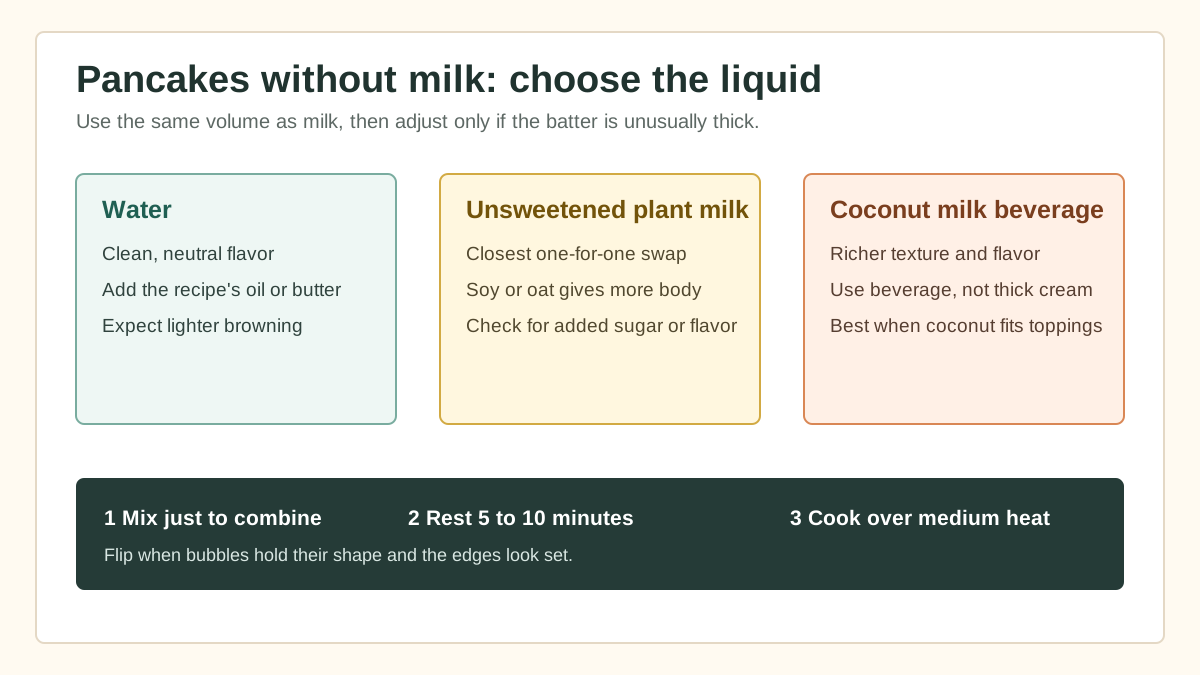
Replace dairy milk 1:1 with unsweetened oat or soy milk. Almond milk also works but can make a thinner batter; water works when you add about 1 tablespoon of oil per cup. Rest the mixed batter for 5 minutes, then cook over medium heat and flip when bubbles stay open and the edges look set.
Practical note
The batter should pour in a thick ribbon rather than run like water. Give the flour time to hydrate before adding more liquid; a 5-minute rest often fixes batter that initially looks slightly too thick.
Decision table
| Situation | Likely cause or meaning | Best move |
|---|---|---|
| Oat or soy milk available | Both have enough body for an easy swap | Replace dairy milk 1:1. |
| Only almond milk available | It is usually thinner | Start with 2 tablespoons less per cup and add more if needed. |
| Only water available | Water hydrates but adds no fat | Add 1 tablespoon neutral oil per cup of water. |
| Pancakes are gummy inside | Batter was overmixed or the pan was too hot | Mix only until combined and lower the heat. |
How to make pancakes without milk
- Whisk the flour, baking powder, sugar, and salt so the leavener is evenly distributed.
- Mix the plant milk, egg, melted oil, and vanilla in a second bowl.
- Fold wet into dry just until no large dry pockets remain; small lumps are fine.
- Rest the batter for 5 minutes while a lightly greased pan heats over medium.
- Cook until bubbles stay open and edges set, then flip once and finish the second side.
Common mistakes
- Overmixing until the batter is completely smooth.
- Cooking over high heat, which browns the outside before the center sets.
- Pressing pancakes with the spatula and squeezing out steam.
- Adding more liquid before the batter has rested.
Related topic hubs
Guide to Fluffy Pancakes Without Milk: Recipes, Tips, and Substitutes
You do not need dairy milk to make pancakes. Unsweetened plant milk is the easiest replacement, while water plus a little added oil works when the pantry is limited.
Making pancakes without milk is straightforward because the liquid's main job is to hydrate the flour. Plant milk adds more body and browning than water, while a little added oil restores tenderness when the chosen liquid is very lean.
Table of Contents
- The Secret to Fluffy Pancakes Without Milk
- Choosing Your Liquid: The Best Milk Substitutes Ranked
- The Master Recipe: Easy Dairy Free Pancakes
- The 'Buttermilk' Hack: Adding Acid for Maximum Rise
- Essential Tips for Texture and Rise
- Troubleshooting: Why Your Pancakes Aren't Perfect
- Flavor Variations and Mix-ins
- Storage, Freezing, and Reheating
The Secret to Fluffy Pancakes Without Milk
Why Dairy-Free Doesn't Mean Flat
Pancake lift comes mainly from leavening agents and the steam created during cooking, not from dairy milk alone. A suitable liquid hydrates the flour, while egg and fat help create a tender, cohesive crumb.
The key is batter consistency. Dairy milk and plant milks differ in thickness and fat, so add a very thin liquid gradually. The finished batter should fall from a spoon in a thick ribbon and spread slowly after it hits the pan.
The Role of Fat and Protein in Pancake Structure
In a traditional recipe, milk provides fat (for tenderness) and protein (for structure and browning). When making dairy free pancakes, we must replace these functions. Fat, such as melted coconut oil or a neutral vegetable oil, coats the flour proteins and inhibits gluten development. This is crucial; too much gluten results in a rubbery pancake, while the right amount of fat ensures a melt-in-your-mouth crumb.
Furthermore, the Maillard reaction—the chemical reaction between amino acids and reducing sugars that gives pancakes their golden-brown color—happens differently with plant-based milks. For example, soy milk, which is a high-protein powerhouse, browns much more like dairy milk than almond milk does. If you're using water, you'll need a touch more sugar or a higher griddle temperature to achieve that classic diner look.
Choosing Your Liquid: The Best Milk Substitutes Ranked
Not all liquids are created equal in the world of pancakes without milk. Depending on what you have in your pantry, your results will vary in terms of richness, sweetness, and rise.
1. Oat Milk: The Creamy All-Rounder
Oat milk is an easy all-purpose substitute because its starches give it useful body. Unsweetened oat milk usually works as a 1:1 replacement without changing the flour, although sweetened or flavored varieties can alter both flavor and browning.
2. Almond Milk: The Light and Nutty Choice
Almond milk is often thinner than dairy or oat milk. Start with about 2 tablespoons less liquid per cup, then add the remainder only if the rested batter is too thick. It produces a lighter pancake with a mild nutty flavor.
3. Soy Milk: The High-Protein Powerhouse
According to the nutritional profile of plant-based milks, soy milk is the closest equivalent to cow's milk in terms of protein. This makes it excellent for structure. If you want a sturdy pancake that can hold heavy mix-ins like blueberries or chocolate chips, soy milk is your best bet. It also reacts very well to acids like apple cider vinegar to create a DIY buttermilk.
4. Coconut Milk: For Richness and Flavor
Canned coconut milk makes a rich, dense pancake unless it is diluted. For a lighter result, use a refrigerated coconut milk beverage. Coconut flavor remains noticeable, so pair it with toppings that suit it.
5. Water and Fat: The Pantry-Staple Method
Water can work when no milk is available. Add about 1 tablespoon of neutral oil or melted butter substitute per cup of water to restore some tenderness. The flavor will be more neutral and the edges may cook a little crisper.
The Master Recipe: Easy Dairy Free Pancakes
The CookBuddy "No-Milk" Fluffy Pancakes
Ingredients:
- 1 ½ cups all-purpose flour (sifted)
- 3 ½ teaspoons baking powder (ensure it's fresh!)
- 1 tablespoon organic cane sugar
- ½ teaspoon fine sea salt
- 1 ¼ cups non-dairy milk (Oat or Soy recommended)
- 1 large egg (or 1 egg substitute like a flax egg)
- 3 tablespoons coconut oil, melted and slightly cooled
- 1 teaspoon pure vanilla extract
- 1 teaspoon apple cider vinegar
Instructions:
- The Acid Prep: In a small bowl or measuring cup, combine your plant milk and apple cider vinegar. Let it sit for 5-10 minutes. This creates a dairy-free "buttermilk" that will react with the leavening agents for a massive rise.
- Dry Mix: In a large mixing bowl, whisk together the flour, baking powder, sugar, and salt. Consider sifting the flour to avoid lumps.
- The Well Method: Create a "well" in the center of the dry ingredients. Pour in the milk mixture, the egg (or substitute), melted coconut oil, and vanilla.
- The Gentle Mix: Using a spatula, fold the ingredients together until *just* combined. There should be lumps! Overmixing develops gluten and will make your pancakes tough.
- The Rest: Let the batter rest for 5-10 minutes. This allows the flour to hydrate and the baking powder to begin its first stage of CO2 release.
- The Cook: Heat a non-stick griddle to 375°F (190°C). Lightly grease with a tiny bit of oil. Pour ¼ cup of batter per pancake.
- The Flip: Wait until bubbles form on the surface and the edges look set and matte. Flip once and cook for another 1-2 minutes until golden brown.
The 'Buttermilk' Hack: Adding Acid for Maximum Rise
Using Apple Cider Vinegar or Lemon Juice
The biggest mistake people make when transitioning to dairy free pancakes is skipping the acid. Traditional buttermilk is acidic, which reacts with baking soda to create carbon dioxide gas. Most plant milks are neutral or only slightly acidic. By adding 1 teaspoon of apple cider vinegar or lemon juice to your cup of non-dairy milk, you trigger a chemical reaction that is essential for that "diner-style" thickness.
The Chemical Reaction: Acid + Baking Soda
To understand how leavening agents work, you have to look at the pH balance. When the acid in your DIY buttermilk hits the baking powder (which contains both an acid and a base) or additional baking soda, it creates an immediate release of bubbles. This is why you should always rest your batter for a few minutes; it gives these bubbles a chance to stabilize within the flour's structure before the heat of the griddle expands them further.
Essential Tips for Texture and Rise
These small technique details have the biggest effect on the texture of pancakes without milk.
Temperature Matters: Griddle vs. Skillet
The ideal griddle temperature is 375°F (190°C). If you don't have a thermostatic griddle, use a cast-iron skillet over medium-low heat. Why medium-low? Because non-dairy milk (especially oat and soy) contains different types of sugars that can burn faster than lactose. A slower, steady heat ensures the middle cooks through before the outside turns too dark.
Don't Overmix: The Lump Rule
lumps are your friend. When you mix the batter until it's perfectly smooth, you are essentially kneading the dough. This creates a strong gluten network—great for bread, terrible for pancakes. Mix until you no longer see streaks of dry flour, then stop. The batter consistency should be thick enough that it falls off the spoon in heavy dollops, not a continuous stream.
The Sifting Secret
Because dairy free pancakes can sometimes be denser, sifting your flour and baking powder together is a helpful shortcut. It aerates the dry ingredients, ensuring that the leavening agents are perfectly distributed. This prevents "dead spots" in your batter where the pancake fails to rise.
Troubleshooting: Why Your Pancakes Aren't Perfect
This is usually due to expired baking powder or overmixing. To test your baking powder, drop a half-teaspoon into hot water; if it doesn't fizz aggressively, toss it. Also, ensure you aren't letting the batter sit for *too* long (more than 30 minutes), as the leavening power will eventually fade.
Gummy centers happen when the heat is too high. The outside browns (the Maillard reaction) before the inside has a chance to set. Lower your heat and cook them longer. Alternatively, your batter might have too much liquid; try adding 1-2 tablespoons of flour next time.
If you're using water or unsweetened almond milk, there may not be enough sugar for caramelization. Add an extra teaspoon of sugar or a tiny bit of maple syrup to the batter. Also, ensure you're using enough fat (like coconut oil) on the griddle surface to conduct heat effectively.
Flavor Variations and Mix-ins
Once you've mastered the base recipe for pancakes without milk, you can start getting creative. The lack of dairy often allows other flavors to shine more brightly.
- Blueberry and Lemon Zest: Add the zest of one lemon to the dry ingredients and fold in fresh blueberries *after* pouring the batter onto the griddle. This prevents the berries from bleeding and turning the whole batter purple.
- Chocolate Chip and Sea Salt: Use a high-quality dairy-free chocolate chip (like Enjoy Life). A sprinkle of flaky sea salt on top while they're on the griddle balances the sweetness perfectly.
- Savory Dairy-Free Options: Omit the sugar and vanilla. Add chopped chives, cracked black pepper, and a 1/4 cup of nutritional yeast for a "cheesy" flavor without the dairy. These are incredible served with sautéed mushrooms or avocado.
Storage, Freezing, and Reheating
Pancakes are the ultimate candidate for breakfast meal prep ideas. Often, make a double batch on Sundays to power through the work week.
How to Keep Pancakes Warm for a Crowd
Never stack hot pancakes on a plate while you finish the rest of the batch; the steam will make them soggy. Instead, place a wire rack on a baking sheet and put it in a 200°F (95°C) oven. Place the finished pancakes in a single layer on the rack. This keeps them warm and crisp.
The Best Way to Freeze and Reheat
To freeze, use the "flash freeze" method. Place individual pancakes on a parchment-lined baking sheet and freeze for 1 hour. Once they are firm, you can stack them in a freezer bag without them sticking together. They will stay fresh for up to 3 months.
Reheating Methods:
- Toaster: The best for a crisp exterior. Use a medium setting.
- Oven: Cover with foil and bake at 350°F for 10 minutes. Best for large quantities.
- Microwave: Fast, but can make them a bit soft. Wrap in a damp paper towel and heat for 30-45 seconds.
Final Thoughts from the Kitchen
Good pancakes without milk depend on batter consistency, moderate pan heat, and restrained mixing. Choose the liquid that fits your pantry, make one small adjustment if needed, and use the visible cooking cues instead of chasing a perfectly smooth batter.
Happy Cooking!