Quick Answer
This guide explains how to meal prep for beginners with our ultimate meal prep guide. Save hours each week with our 2-hour batch cooking system, templates, and easy recipes.
Practical note
For How to Meal Prep for Beginners, this guide centers on Proteins, Grains, Veggies. Those are the checkpoints we would use first in a normal home kitchen before making a bigger change.
Decision table
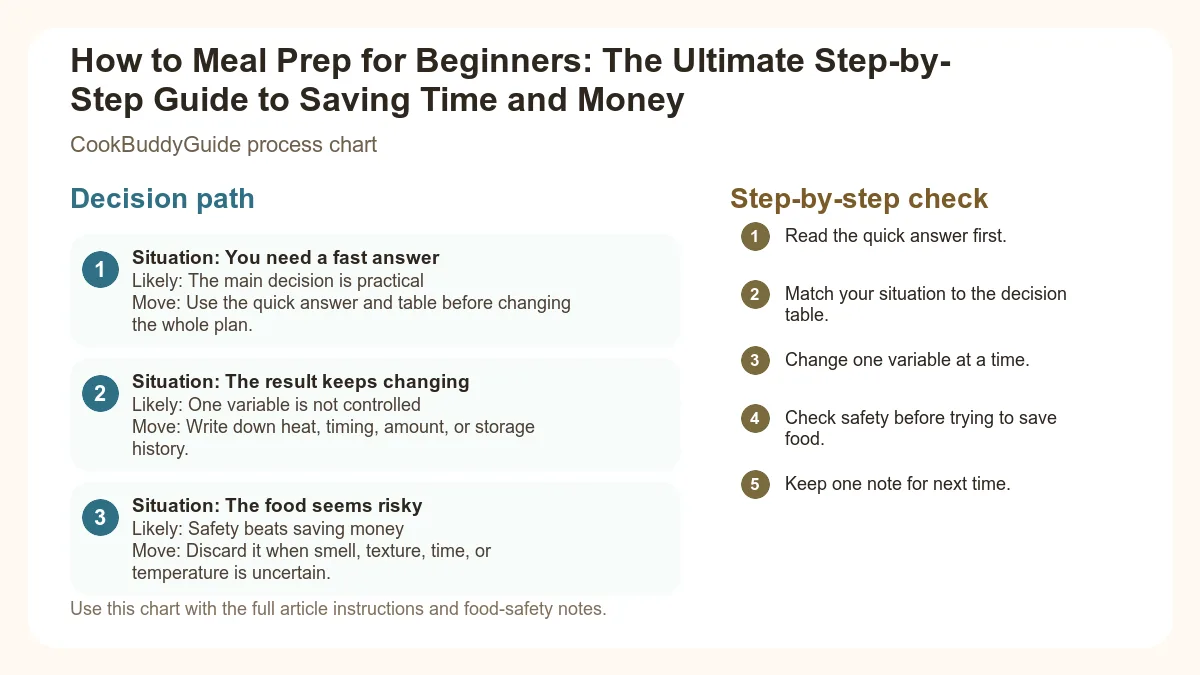
| Situation | Likely cause or meaning | Best move |
|---|---|---|
| You need a fast answer | The main decision is practical | Use the quick answer and table before changing the whole plan. |
| The result keeps changing | One variable is not controlled | Write down heat, timing, amount, or storage history. |
| The food seems risky | Safety beats saving money | Discard it when smell, texture, time, or temperature is uncertain. |
Step-by-step fix
- Read the quick answer first.
- Match your situation to the decision table.
- Change one variable at a time.
- Check safety before trying to save food.
- Keep one note for next time.
Common mistakes
- Skipping the quick answer and changing too much at once.
- Treating quality problems and safety problems the same way.
- Not writing down the detail that caused the repeat problem.
Related topic hubs
Learning how to meal prep for beginners is the single most effective way to reclaim your evenings, improve your health, and stop the "money leak" that is constant takeout. This meal prep guide isn't about spending your entire Sunday in the kitchen or eating identical, bland chicken and broccoli for five days straight. At CookBuddyGuide, our philosophy is "Practicality Over Perfection." This guide will show you my exact kitchen prep workflow that takes just two hours and sets you up for a week of delicious, varied, and stress-free meals.
Table of Contents
Why Meal Prepping is a Helpful Shortcut for Busy Home Cooks
The Mental Load of 'What’s for Dinner?'
How Prepping Saves $100+ on Monthly Groceries
Phase 1: The Strategic Menu Plan (The 'Brain' Work)
The 'Anchor' Method: Choosing Your Proteins and Grains
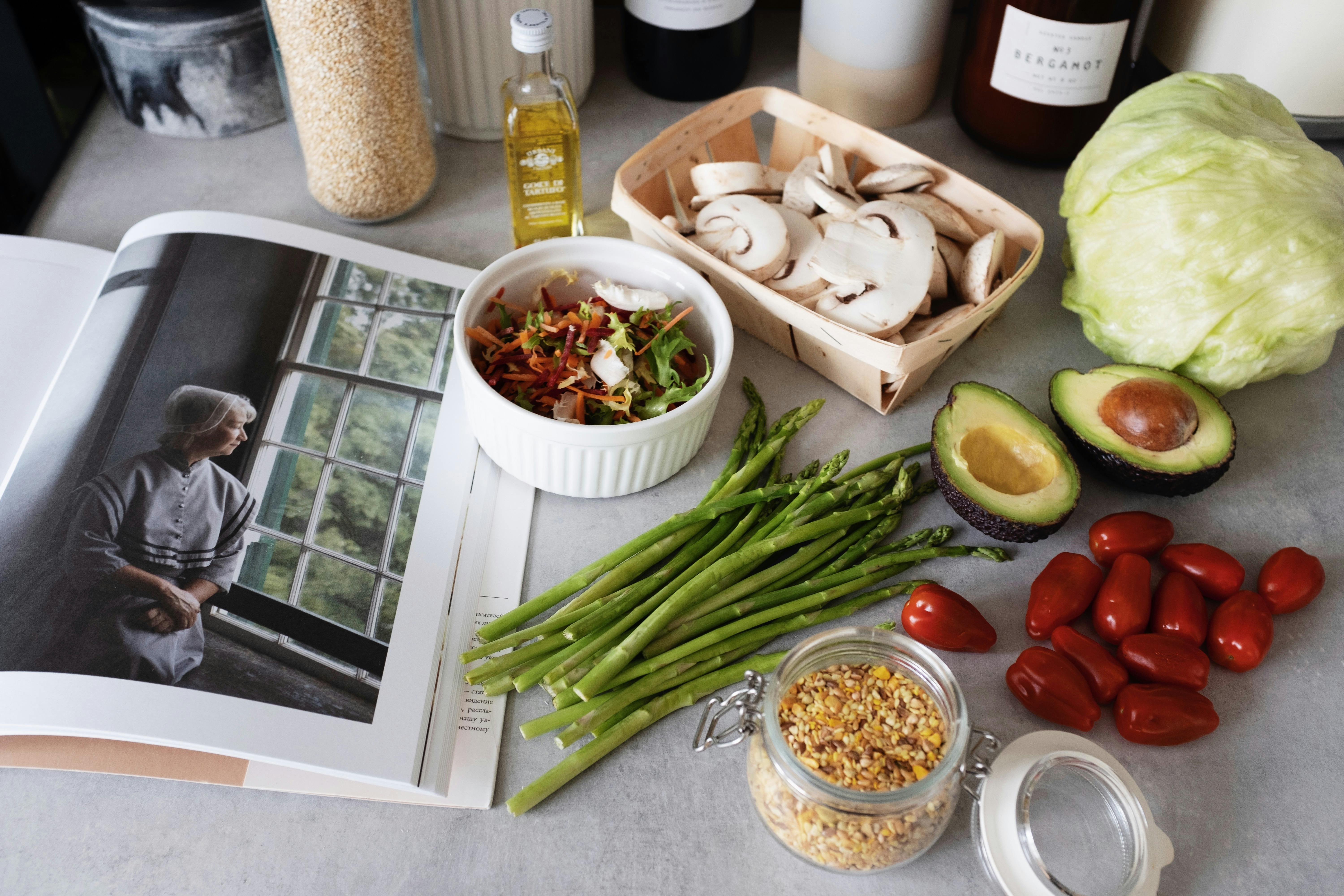
Instead of thinking in "recipes," think in "components." Pick two "anchor" proteins, two "anchor" grains, and three to four versatile vegetables. For example:
- Proteins: Shredded chicken and black beans.
- Grains: Quinoa and brown rice.
- Veggies: Roasted sweet potatoes, sautéed kale, and raw bell peppers.
The Rule of Three: Why Beginners Should Never Prep 21 Meals
Inventory Check: Shop Your Pantry First
Phase 2: Building a High-Efficiency Shopping List
Organizing Your List by Grocery Store Aisle
A disorganized shopping list is a time-waster. Group your items by section: Produce, Meat/Dairy, Grains/Canned Goods, and Frozen. This prevents you from running back and forth across the store. Grocery budgeting becomes much easier when you stay in the perimeter of the store where the whole foods live.
Pro Tip: Buy pre-washed greens and pre-cut butternut squash if you are short on time. While it costs a bit more, saving that 20 minutes of prep can be the difference between successfully prepping and giving up halfway through. Also, utilize the "Bulk Bin" advantage for grains and spices—you can buy exactly 1 cup of quinoa or 2 tablespoons of a specific spice for pennies.
Downloadable Meal Prep Shopping Template
Phase 3: The 2-Hour Meal Prep Timeline (Step-by-Step)
Efficiency is all about kitchen prep workflow. You want to maximize "passive time"—the time food spends in the oven or slow cooker while you are doing active work like chopping.
0-30 Minutes: The High-Heat Phase (Oven and Stovetop)
- Preheat your oven to 400°F (200°C).
- Start your grains. Whether you are using a rice cooker or the stovetop, get your quinoa or rice going first. Consider reading this guide on batch cooking grains for efficiency to ensure they don't turn out mushy.
- Season your proteins (chicken breasts, tofu, or salmon) and place them on sheet pans.
- Toss your "hardy" veggies (broccoli, cauliflower, carrots) in olive oil and salt and get them in the oven.
30-90 Minutes: The Chop and Wash (Vegetable Prep)
While the oven does the heavy lifting, it's time for active prep. This is where essential knife skills for prep come into play. If you can't dice an onion in under 60 seconds, check out Serious Eats' knife skills guide.
- Wash and dry all leafy greens. Testing note: Use a salad spinner; moisture is the enemy of shelf-life.
- Dice onions, peppers, and celery. These can be stored together if they are going into the same dish later.
- Prepare your "flavor boosters"—whisk together a lemon tahini dressing or a balsamic vinaigrette.
90-120 Minutes: Portioning and The 'Clean As You Go' Rule
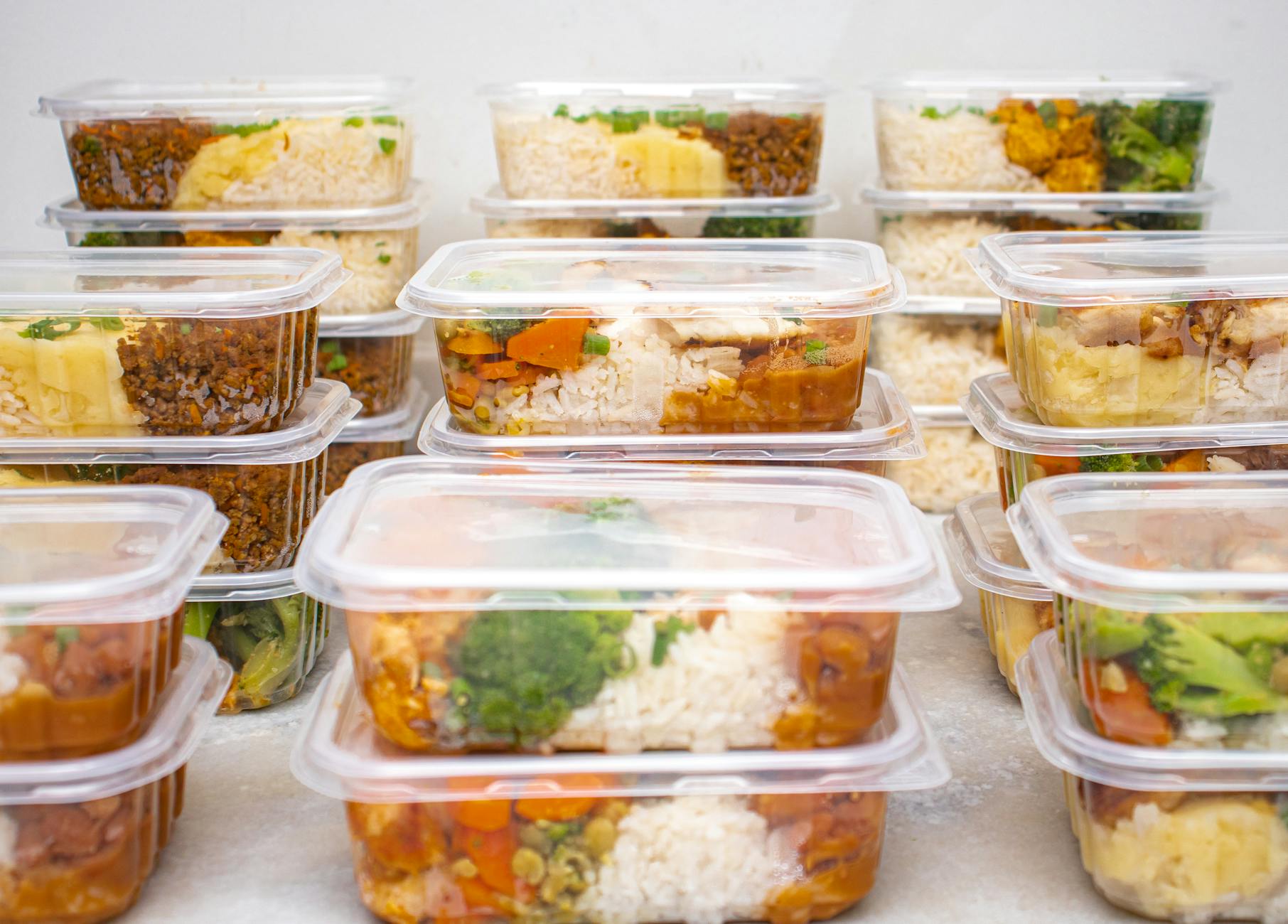
By now, your grains are done and your roasted items are cooling. Never seal warm food in containers. This creates steam, which leads to soggy textures and potential food safety issues. While things cool, wash your bowls and cutting boards. Once everything is at room temperature, use glass meal prep containers for portion control. Divide your anchors into individual grab-and-go containers or large "family style" bins.
Essential Gear: What You Actually Need (and What You Don't)
You don't need a kitchen full of gadgets to succeed at how to meal prep for beginners. In fact, clutter often slows you down. After repeated meal-prep sessions, these are the useful basics:
Glass vs. Plastic: The Longevity Debate
I strongly advocate for glass meal prep containers (like Pyrex or Snapware). Unlike plastic, glass doesn't stain, doesn't retain odors from that garlicky stir-fry, and is much safer for reheating in the microwave. Plus, you can see exactly what’s inside, which helps prevent food from being forgotten and becoming food waste.
The Three Tools That Speed Up Prep by 50%
- A Sharp 8-inch Chef’s Knife: A dull knife is dangerous and slow. I sharpen mine every few months and hone it before every prep session.
- Extra Large Sheet Pans: Use "half-sheet" pans (18x13 inches). They allow you to roast a massive amount of food without crowding, which ensures browning rather than steaming.
- Digital Kitchen Scale: Great for consistent portion control and ensuring you have enough protein for every meal.
5 Beginner-Friendly Recipes to Start This Week
Focus on "component cooking." These aren't just meals; they are building blocks for your week.
1. The 'Everything' Roasted Chicken and Veggie Sheet Pan
Ingredients: 2 lbs chicken breast, 1 head broccoli, 3 large carrots, 2 tbsp olive oil, 1 tbsp "Everything Bagel" seasoning.
Instructions: Cube chicken and chop veggies into uniform sizes. Toss with oil and seasoning. Roast at 400°F for 20-22 minutes. Storage: 4 days in fridge.
2. 15-Minute Quinoa and Black Bean Power Bowls
Ingredients: 2 cups cooked quinoa, 1 can black beans (rinsed), 1 cup frozen corn, lime juice, cilantro.
Instructions: Mix all ingredients in a large bowl. This is a "cold" prep item that actually tastes better the next day as the flavors meld. Storage: 5 days in fridge.
3. Slow Cooker Shredded Beef
Ingredients: 3 lb chuck roast, 1 cup beef broth, 2 cloves garlic, salt/pepper.
Instructions: Sear the beef (optional but recommended for flavor), then place in slow cooker for 8 hours on low. Shred with two forks. Storage: 4 days in fridge or 3 months in freezer.
Food Safety and Storage 101
Nothing ruins a healthy eating habit like food poisoning. Understanding food safety and cross-contamination is vital when you are handling large volumes of food.
The '4-Day Rule' for Refrigerated Meals
How to Freeze and Thaw Without Losing Texture
Not everything freezes well. High-water content veggies like cucumbers or raw tomatoes will turn to mush. However, grains, cooked meats, and soups freeze beautifully. When reheating, consider adding a teaspoon of water to your grains before microwaving—it creates steam that revives the texture. Always follow reheating instructions carefully to ensure food reaches an internal temperature of 165°F.
Common Beginner Mistakes (and How to Avoid Them)
Mistake #1: Prepping Too Much Food
In the beginning, the enthusiasm is high. You prep 15 meals, but then a friend invites you to dinner on Wednesday, and you have a late meeting on Thursday. Suddenly, you have four containers of food going bad. Solution: Always leave 2 nights "open" for social spontaneity or leftovers.
Mistake #2: Forgetting the 'Crunch' Factor
Frequently Asked Questions
A: Not at all! You can start with the containers you already have. The biggest investment is your time. In fact, most people see an immediate reduction in their grocery bill because they stop "impulse buying" at the store.
A: Under-cook your chicken by just a tiny bit (to 160°F instead of 165°F) if you know you'll be microwaving it later, or better yet, prep chicken thighs instead of breasts—they are much more forgiving and stay juicy.
A: Yes! This is where the kitchen prep workflow is even more important. Clean as you go and use your vertical space. A single sheet pan dinner is a small-kitchen hero.
Ready to Start Your Meal Prep Journey?
Learning how to meal prep for beginners is a skill that pays dividends for a lifetime. It’s about more than just food; it’s about taking control of your time and your health. If you're feeling overwhelmed, remember the Mayo Clinic's advice in their step-by-step meal planning guide: the goal is progress, not perfection. Start with one batch-cooked grain and one roasted protein this Sunday. You’ll be amazed at how much lighter your Monday feels.