Table of Contents
- The Quick Answer: Fridge Life at a Glance
- The Science: Why Ground Beef Spoils Faster
- 3 Ways to Tell if Ground Beef Has Gone Bad
- Mastering Ground Beef Storage
- Freezing and Thawing Like a Pro
- Cooking for Safety: The 160°F Rule
- Common Mistakes Home Cooks Make
- Kitchen Tips for Extending Shelf Life
- Frequently Asked Questions
The Quick Answer: Ground Beef Fridge Life at a Glance
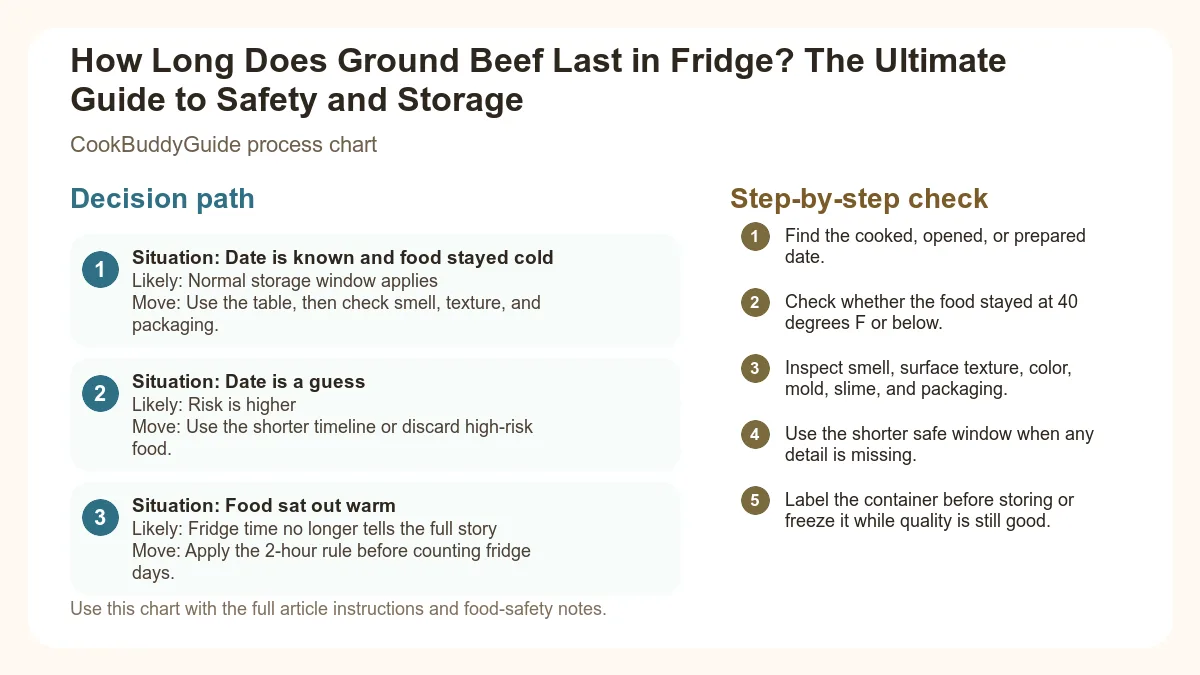
If you’re standing in front of the refrigerator right now, here is the non-negotiable timeline. According to USDA ground beef safety guidelines, you have a very narrow window for raw meat.
Raw Ground Beef Timeline
Cooked Ground Beef Timeline
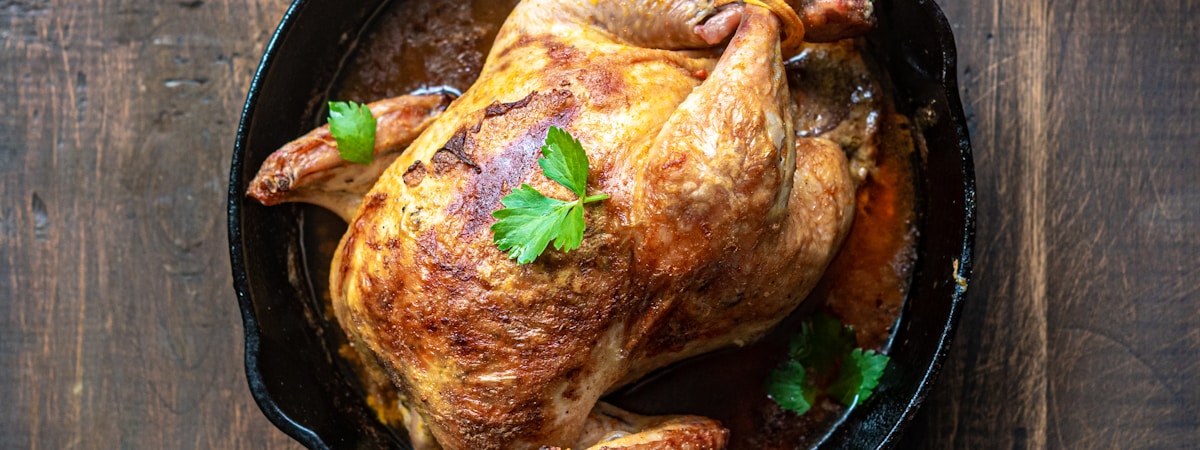
Once you’ve browned that beef for tacos or meatloaf, you get a bit more breathing room. Cooked ground beef remains safe for 3 to 4 days in the fridge. The cooking process kills off the initial load of bacteria, but it doesn't make the meat invincible. After four days, the risk of pathogenic bacteria growth increases significantly.
| Type of Ground Beef | Refrigerator (40°F or below) | Freezer (0°F or below) |
|---|---|---|
| Raw Ground Beef | 1–2 Days | 3–4 Months (Quality) |
| Cooked Ground Beef | 3–4 Days | 2–3 Months (Quality) |
| Vacuum-Sealed Raw | Up to 7-10 Days | 6+ Months |
Understanding the Science of Ground Beef Spoilage
You might wonder why a ribeye steak can sit in the fridge for 3-5 days, while ground beef is on a 48-hour countdown. The answer lies in the surface area. When a butcher grinds meat, they take a solid muscle and break it into thousands of tiny pieces. This exposes a massive amount of surface area to the air.
The Role of Surface Area in Bacterial Growth
Bacteria live on the surface of meat. In an "intact" cut like a roast, the interior is essentially sterile. In ground beef, the "outside" is now mixed into the "inside." Every time the meat is handled or ground, pathogenic bacteria like E. coli or Salmonella can be distributed throughout the entire batch. This is why ground beef is so much more susceptible to rapid spoilage and why it requires stricter handling than other cuts.
Pathogenic vs. Spoilage Bacteria
It is crucial to understand that there are two different types of bacteria at play here:
- Spoilage Bacteria: These are the "loud" bacteria. They make the meat smell bad, turn slimy, or change color. While they are gross, they don't always make you dangerously ill.
- Pathogenic Bacteria: These are the "silent" killers. Bacteria like E. coli and Listeria can grow on meat without changing the smell, taste, or appearance. This is why following the 1-2 day rule is vital—you can't always see or smell the danger.
3 Ways to Tell if Ground Beef Has Gone Bad
1. The Color Test: Red vs. Gray vs. Brown
Fresh ground beef is typically bright red due to a protein called oxymyoglobin. However, color can be deceptive.
- Gray Center: If you open a pack and the inside is gray or brown but the outside is red, it is likely still safe. This is caused by myoglobin oxidation—the interior simply hasn't been exposed to oxygen.
- Gray/Green Surface: If the entire exterior of the meat has turned gray or has hints of green, spoilage bacteria have taken over. Toss it.
2. The Scent Test: Identifying the Sour Note
Fresh beef has a mild, metallic scent. Spoiled beef has a distinct, pungent odor. I describe it as a mix of ammonia, vinegar, or sour milk. If you have to pull your nose away from the package, do not cook it. Heat does not "kill" the toxins left behind by spoilage bacteria.
3. The Texture Test: Slimy or Sticky?
This is my "fail-safe" test. Wash your hands and touch the meat. Fresh ground beef should feel moist but break apart easily. If it feels slimy texture-wise, or if it leaves a sticky, tacky film on your fingers, it is teeming with bacteria. This slime is actually a biofilm created by bacterial colonies. Pro Tip: If in doubt, throw it out.
Mastering Ground Beef Storage for Maximum Freshness
The "Professional Home Cook" Storage Method
To maximize the 1-2 day window, follow these steps:
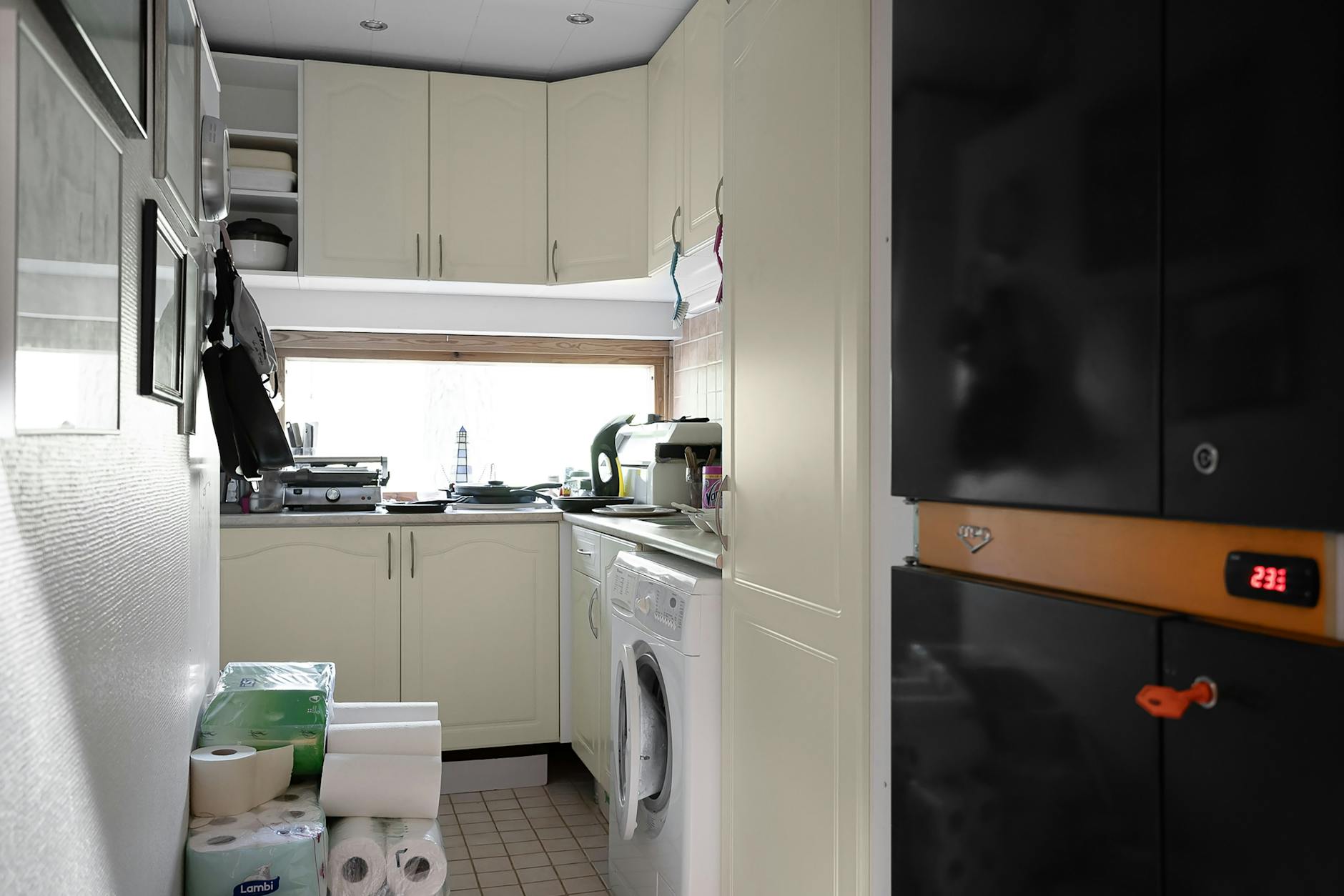
- Check the Temperature: Ensure your refrigerator temperature is set to 40°F (4°C) or lower. Keep a secondary thermometer in my fridge to verify this, as many built-in dials are inaccurate. Consult the FDA safe refrigerator storage temperatures guide for more details.
- The Bottom Shelf Rule: Always store raw ground beef on the lowest shelf. This prevents cross-contamination. If the package leaks, the juices won't drip onto your produce or leftovers below.
- Use an Airtight Container: If you aren't using the meat within 24 hours, take the store-wrapped package and place it inside a sealed airtight container or a heavy-duty Ziploc bag. This provides a second barrier against oxygen and odors.
- The 2-Hour Rule: Never let ground beef sit in the danger zone (between 40°F and 140°F) for more than two hours. If it's a hot summer day and your car is warm, that limit drops to one hour.
Freezing and Thawing Ground Beef Like a Pro
If you aren't going to cook that beef within 48 hours, the freezer is your best friend. But improper freezing leads to freezer burn, which ruins the texture and flavor of the meat.
Preventing Freezer Burn with Double Wrapping
The 3 Safe Thawing Methods
- The Refrigerator Method (Best): Plan ahead! Place the frozen beef in the fridge 24 hours before you need it. This keeps the meat out of the danger zone the entire time. Meat thawed this way can stay in the fridge for an additional 1-2 days.
- The Cold Water Method (Fast): Submerge the sealed bag in a bowl of cold tap water. Change the water every 30 minutes. A pound of beef usually thaws in about an hour. You must cook this meat immediately after thawing.
- The Microwave Method (Immediate): Use the defrost setting. Be careful, as this often starts cooking the edges of the meat. Use this only if you are browning the meat immediately afterward.
Can You Refreeze? You can only refreeze ground beef if it was thawed in the refrigerator. If you used the water or microwave method, the meat must be cooked before it can go back into the freezer.
Cooking for Safety: Reaching the Right Internal Temperature
How to Correctly Temp Your Ground Beef
According to the safe internal cooking temperatures recommended by medical experts, ground beef must reach 160°F (71°C).
- For Patties: Insert the probe into the side of the burger, aiming for the very center. Do not press down on the burger with a spatula, or you'll lose the juices!
- For Meatloaf: Insert the probe into the thickest part of the loaf.
- For Crumbled Meat: If browning for tacos, ensure the meat is steaming hot and no longer pink, though a thermometer is harder to use here. Usually, look for the fat to run clear.
Common Mistakes Home Cooks Make with Ground Beef
Ignoring the 'Sell-By' vs. 'Use-By' Dates
Overcrowding the Refrigerator
Airflow is essential. If your fridge is packed to the gills, the cold air can't circulate, creating "warm spots" where bacteria thrive. Keep your meat in the back or on the bottom shelf where it stays coldest.
Washing Raw Ground Beef
Kitchen Tips for Extending Shelf Life Without Freezing
If you find yourself with too much beef and no room in the freezer, here are a few tricks Use to buy an extra day or two.
The 'Coldest Spot' Hack
Every fridge has a "sweet spot." Usually, this is in the very back of the bottom shelf, away from the door. Every time you open the door, the temperature at the front drops. By keeping your beef in the back, you maintain a consistent 34°F-36°F, which can sometimes stretch that 2-day window to 3 days (but always use the scent test!).
Vacuum Sealing Benefits
The Impact of Fat Content
Frequently Asked Questions
A: Yes, if the browning is in the center of the package and the meat smells fresh and isn't slimy, it is just oxidation. If the outside is brown or gray, it’s likely spoiled.
A: The USDA says 1-2 days. While you might get away with 3 days if your fridge is very cold, you are entering the "risk zone." Perform the scent and texture tests very carefully.
A: Ground poultry follows the same strict 1-2 day rule as ground beef. It is actually even more prone to bacterial growth, so handle it with extreme care.
The Bottom Line
Understanding how long does ground beef last in fridge is about more than just dates on a package; it's about respecting the science of food safety. Remember the 1-2 day rule for raw meat, the 3-4 day rule for cooked leftovers, and always aim for that internal cooking temperature of 160°F. By following these ground beef storage techniques, you can cook with confidence, knowing your meals are both delicious and safe for your family.
Ready to put that beef to use? Check out our favorite quick ground beef recipes for dinner tonight!