 CookBuddyGuide
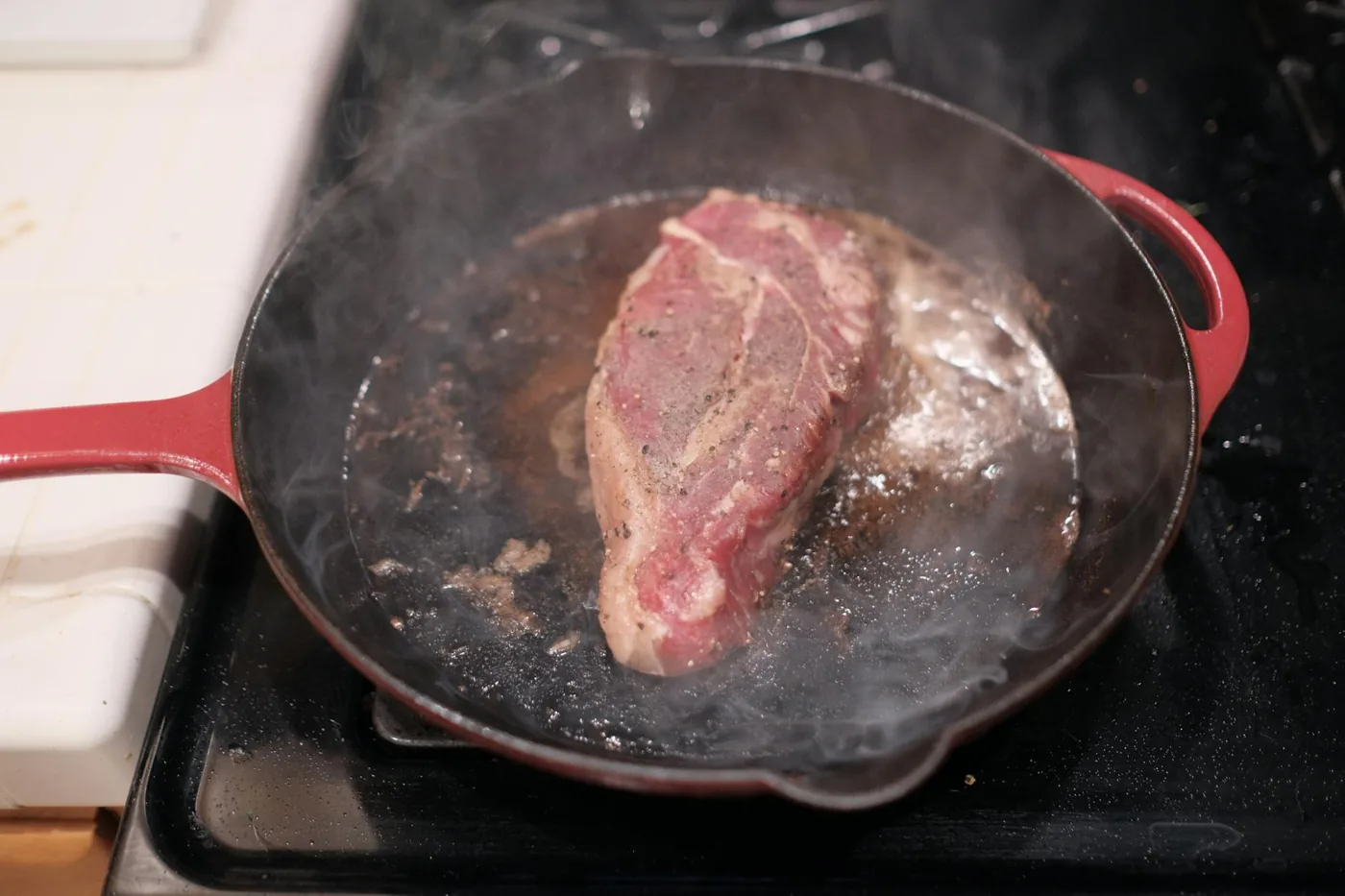
Check the fond before adding liquid
Fond is the browned food residue left on the cooking surface after searing or sauteing. Deglazing loosens that residue into liquid. It can be the beginning of a sauce, part of a braise, or simply a useful cleanup step.
Brown to deep-brown deposits with a savory smell are worth using. Black, acrid patches suggest burning. Deglazing those patches distributes their bitterness through the sauce; wine and butter will not remove it. Let a scorched pan cool, clean it, and make the sauce separately if necessary.
Stainless steel makes the residue easy to see. A nonstick pan can still be loosened with liquid, but usually produces less attached fond. Bare cast iron can be deglazed briefly, although extended acidic reduction may affect seasoning. See the pan-material comparison before choosing a skillet for a long wine or tomato sauce.
Choose a liquid that suits the sauce
| Liquid | Useful when | Watch for |
|---|---|---|
| Water | The fond already has plenty of flavor, or you want a simple base. | It supplies no stock flavor, but it still captures the pan's browned flavor. |
| Unsalted or low-sodium stock | You want a savory sauce without alcohol. | Salt becomes more concentrated as liquid reduces. |
| Dry wine | Its acidity and flavor fit the dish. | Flammable vapors and residual alcohol; a short simmer is not alcohol removal. |
| Stock or water with a little vinegar or citrus | You want a brighter alcohol-free sauce. | Undiluted acid can overwhelm a small pan sauce. |
All-Clad's deglazing guide includes water alongside wine and stock. Water does not make the result flavorless: the point is to recover flavor already in the pan.
Deglaze without scorching or splashing
- Remove the food. Put fully cooked meat or vegetables on a clean plate. If your recipe calls for finishing meat later in the sauce or oven, continue that cooking promptly rather than treating a browned exterior as doneness.
- Reduce the fat. Leave a thin film if you will cook aromatics. Collect excess fat in a suitable heat-safe container. Do not add water to a pool of frying oil.
- Check the heat. Reduce to medium or lower. If the pan is smoking or the fond is darkening rapidly, take it off the heat and let it settle before pouring. Deglazing does not require a violently hot pan or thermal shock.
- Add the liquid carefully. For a typical skillet, about 1/2 cup is a useful starting amount. Add enough to wet the deposits, keeping your face and hands clear of the steam. More can be added if the pan dries before the residue loosens.
- Scrape and simmer. Use a flat wooden spoon or heat-safe silicone utensil appropriate to the surface. Work across the bottom and corners. Warm liquid and gentle scraping do the work; do not gouge the pan.
- Decide what comes next. Stop once the fond is lifted if the liquid goes into a braise. For a sauce, continue reducing gently and taste when the ingredients are safely cooked.
For wine, measure it into a small cup away from the stove. Turn off the burner and move the pan away from active flames before adding it. Do not pour from the bottle over the pan or deliberately ignite the liquid. This method does not cover high-proof spirits or flambe. Stock is the simpler choice if you are uncomfortable handling alcohol near heat.
Turn the liquid into a small pan sauce
If using minced shallot or garlic, soften it in the retained fat before deglazing, without letting it burn. All-Clad's pan-sauce recipe uses this sequence, then reduces the deglazing liquid and adds finishing ingredients.
Simmer uncovered until the flavor is concentrated and the consistency suits the food. A fixed reduction time will not work for every skillet width or burner. The guide to reducing a sauce explains the cues more fully.
For a butter finish, take the pan off the heat and swirl in small pieces of cold butter. The goal is a smooth sauce, not a hard boil that separates fat. Add salt late, especially with stock; see fixing excess salt if reduction has gone too far. If the sauce separates, try gentle correction using the broken-sauce guide.
Limits that matter
Wine does not become alcohol-free after a quick simmer. The USDA nutrient-retention tables document alcohol remaining after several cooking methods. Use water or stock when alcohol must be avoided rather than promising a particular short cooking time removes it.
Browned meat is not necessarily cooked meat. Follow the USDA minimum internal temperatures for the food itself. Do not taste a sauce containing undercooked meat juices to judge seasoning before it has been properly cooked.
A dry pan can burn again. Add a small splash of liquid and lower the heat if reduction goes too fast. If a cooled pan's deposits resist, warm liquid and wait rather than chasing a louder sizzle. If there was little browning to begin with, deglazing cannot create missing fond.
Sources and method
- All-Clad: Pan deglazing, for liquids and the basic sequence.
- All-Clad: Pan sauce, for aromatics, reduction, and finishing.
- USDA ARS: Nutrient Retention Factors, Release 6, for the alcohol-retention limitation.
- USDA FSIS: Safe minimum internal temperatures, for meat doneness.
This reference synthesizes published technique and safety guidance. Quantities are practical starting points, not a claim that a CookBuddyGuide recipe or sauce was tested.