Quick Answer
Blueberries last 5 to 10 days in the fridge when stored dry and unwashed. It also explains washing, mold checks, freezing, and storage tips for fresh berries.
Related topic hubs
Quick answer
Fresh blueberries usually last 5 to 10 days in the fridge when they are stored dry, unwashed, and cold. Very fresh berries can sometimes make it closer to two weeks, but plan for one week if the container has soft berries, condensation, or mixed ripeness.
For the best result, sort out mushy berries as soon as you get home, line the container with a dry paper towel, keep airflow around the fruit, and rinse only the berries you are about to eat. If you cannot finish them in time, freeze them while they are still firm.
| Blueberry situation | Fridge time | Best storage move |
|---|---|---|
| Fresh, dry, unwashed blueberries | 5 to 10 days | Keep in a breathable container lined with a dry paper towel. |
| Very fresh local or just-picked berries | Up to about 2 weeks, quality permitting | Sort daily and keep them cold, dry, and loosely covered. |
| Washed blueberries | 1 to 3 days | Dry thoroughly before storing. Use a towel-lined container. |
| Soft but not moldy berries | Use the same day | Cook into sauce, bake into muffins, or freeze if still clean and fresh-smelling. |
| Moldy, leaking, fizzy, or sour-smelling berries | Discard | Do not taste-test questionable berries. |
Quick navigation
How long blueberries last
Blueberries keep best when they stay cold, dry, and lightly ventilated. FDA produce guidance says perishable fresh fruits and vegetables should be stored in a clean refrigerator at 40°F or below. That temperature protects safety and slows the quality loss that turns firm berries soft, wrinkled, or moldy.
A practical home range is 5 to 10 days. Some fresh berries last longer, especially when bought in season and handled gently. Other containers fade in a few days because one crushed berry leaks juice, the clamshell traps moisture, or the berries were warm before you bought them.
Why some containers go bad faster
Blueberries are small, delicate, and usually eaten raw, so every damaged berry matters. One leaking berry can wet the paper pad or clamshell and spread moisture to the rest of the container. That is why sorting the package on day one is worth the two minutes.
Check the bottom corners of the container, not just the top. If you see purple juice, damp pads, collapsed berries, or white fuzzy mold, remove the damaged berries immediately. If mold is widespread or the container smells fermented, discard the whole batch.
How to store blueberries in the fridge
Store blueberries unwashed in their original vented clamshell or another breathable container. A dry paper towel underneath helps catch condensation and berry juice. Do not pack them into a sealed wet jar unless they have been washed, dried completely, and will be eaten soon.
- Open the container and remove crushed, moldy, or leaking berries.
- Replace a wet absorbent pad with a dry paper towel.
- Return berries loosely to the clamshell or a vented storage box.
- Refrigerate on a shelf or in a low-humidity produce area.
- Rinse only the portion you plan to eat right away.
This same moisture-first logic applies across produce storage. If you are reorganizing the whole refrigerator, use our guide to making food last longer in the fridge and the broader food storage hub.
CookBuddy storage rule: Blueberries need cold air and dryness more than airtight sealing. A breathable container with a dry towel usually beats a sealed container with trapped condensation.
Should you wash blueberries before storing them?
Wash blueberries right before eating, not before storage. FDA advice says produce should be washed under running water before preparing or eating, and then dried with a clean towel or paper towel. That is prep guidance. For storage, extra water shortens the berries' quality window.
Blueberries also have a powdery natural bloom on the surface. Blueberry specialists commonly recommend preserving that coating until you are ready to eat or cook the fruit. A 2026 Simply Recipes interview with University of Maine experts gave the same practical advice: inspect, remove damaged berries, refrigerate, and wait to rinse.
If you already washed them
Spread the washed berries on a clean towel, roll them gently, and let surface moisture evaporate before storing. Then use a towel-lined container and plan to eat them within 1 to 3 days. Wet berries can still be fine, but they need a shorter timeline.
Do vinegar washes make blueberries last longer?
Plain running water is the safest default. FDA guidance does not recommend soap, detergent, or commercial produce washes for fruits and vegetables, and says washing reduces bacteria but does not eliminate it. If you use a vinegar rinse for quality reasons, rinse afterward, dry thoroughly, and do not treat it as a way to save old or moldy berries.
How to tell if blueberries are bad
Bad blueberries show mold, leaking juice, a sour or fermented smell, collapsed skins, or a fizzy taste risk you should never check by tasting. A few wrinkled berries are usually a quality problem, but mold and sour liquid are discard signals.
Can you save the rest if one berry is moldy?
If one berry has mold, discard it and any berries touching it. Then inspect the rest. Keep only berries that are firm, dry, and clean. If you see mold on several berries or smell fermentation, it is safer to discard the package.
What about soft blueberries?
Soft berries are not automatically unsafe, but they are near the end of their fridge life. If they have no mold, no sour smell, and no leaking juice, cook them the same day. They are better in compote, pancakes, muffins, or smoothies than in a fresh fruit bowl.
Do not taste questionable berries. Mold, sour smell, bubbling liquid, or an unknown warm-storage history is enough reason to discard them.
When to freeze blueberries instead
Freeze blueberries while they are still firm. Freezing pauses the quality clock, but it does not fix berries that already smell sour, leak juice, or show mold. For best texture, sort first, freeze in a single layer if the berries are damp, then transfer to a labeled freezer bag.
Many blueberry growers and test kitchens freeze dry, unwashed blueberries so the natural bloom helps prevent clumping. If you prefer to wash before freezing, dry the berries completely first. Frozen blueberries can go straight into high-protein smoothies, pancakes without milk, sauces, crisps, and muffins.
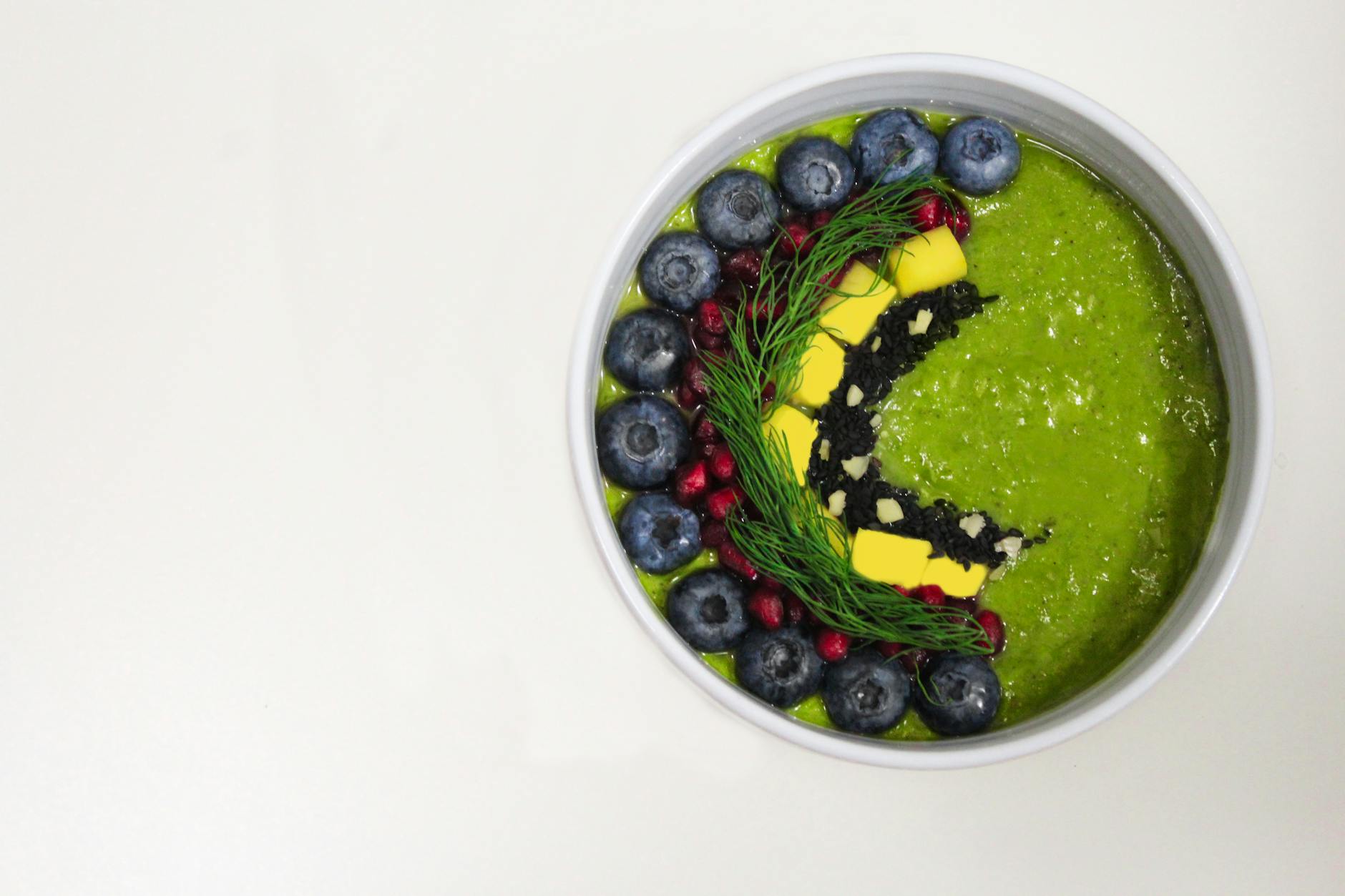
For general freezer setup, see how to freeze leftover food. For a ready-to-use breakfast idea, the berry topping in our smoothie bowl recipe works well with frozen blueberries.
Day-by-day fridge plan
This plan assumes the berries were fresh when bought and your refrigerator is set to 40°F or below. If the package was warm, wet, or already had soft berries, shorten the plan.
| Fridge day | What to check | Best move |
|---|---|---|
| Day 1 | Crushed berries, wet pads, condensation. | Sort, line with a dry towel, and refrigerate unwashed. |
| Day 2 to 4 | Firmness and any early mold. | Eat fresh. Rinse only what you use. |
| Day 5 to 7 | Soft berries or juice at the bottom. | Use in cooked recipes or freeze firm extras. |
| Day 8 to 10 | Mold, sour smell, wrinkling, leaking. | Use only berries that still pass every freshness check. |
| After day 10 | Higher chance of quality loss. | Discard unless the berries are clearly dry, firm, and fresh. |
Food-safety notes for fresh berries
Fresh blueberries are commonly eaten raw, so clean handling matters. FDA produce guidance recommends choosing produce that is not bruised or damaged, storing perishable produce at 40°F or below, keeping produce separate from raw meat and seafood, and washing hands before preparation.
FoodSafety.gov gives the same broad kitchen pattern: clean, separate, cook, and chill. Blueberries usually do not need cooking, but clean hands, clean containers, cold storage, and separation from raw meat juices still matter. If a berry dessert includes dairy, eggs, cut fruit, or cooked filling, follow the shortest timeline for the most perishable ingredient.
Helpful tools for storing blueberries
- Vented produce container or the original clamshell
- Dry paper towels for absorbing condensation
- Small freezer bags or freezer-safe containers for firm extras
- Refrigerator thermometer to confirm the fridge is at 40°F or below
Topic hubs
Blueberry fridge FAQ
Can blueberries last two weeks in the fridge?
Sometimes, especially if they are very fresh, dry, and stored cold. For routine grocery berries, 5 to 10 days is a safer expectation. After day 10, inspect carefully before eating.
Should you wash blueberries before storing them?
No. Store blueberries unwashed, then rinse them under running water right before eating or cooking. If they are already washed, dry them very well and use them sooner.
Can you eat blueberries if one berry in the container is moldy?
Discard the moldy berry and any berries touching it, then inspect the rest. If mold appears in several spots, or the container smells sour, discard the batch.
How long do washed blueberries last in the fridge?
Washed blueberries are best within 1 to 3 days unless they were dried thoroughly. Moisture is the main reason washed berries soften and mold faster.
Sources used for safety guidance
CookBuddyGuide uses public food-safety references for storage, washing, chilling, and discard advice. For this guide, the main sources were FDA, FoodSafety.gov, a University of Maine expert interview, and current blueberry storage reporting from Real Simple.
- FDA selecting and serving produce safely
- FoodSafety.gov 4 steps to food safety
- FoodSafety.gov cold food storage chart
- Simply Recipes interview with University of Maine blueberry and food-preservation experts
- Real Simple blueberry storage guide
What to do next
If your blueberries are dry, firm, and mold-free, keep them cold and rinse only what you eat today. If the container is wet or the berries are soft, use them soon in a cooked recipe. If you see mold, sour liquid, or widespread collapse, discard them.