 CookBuddyGuide
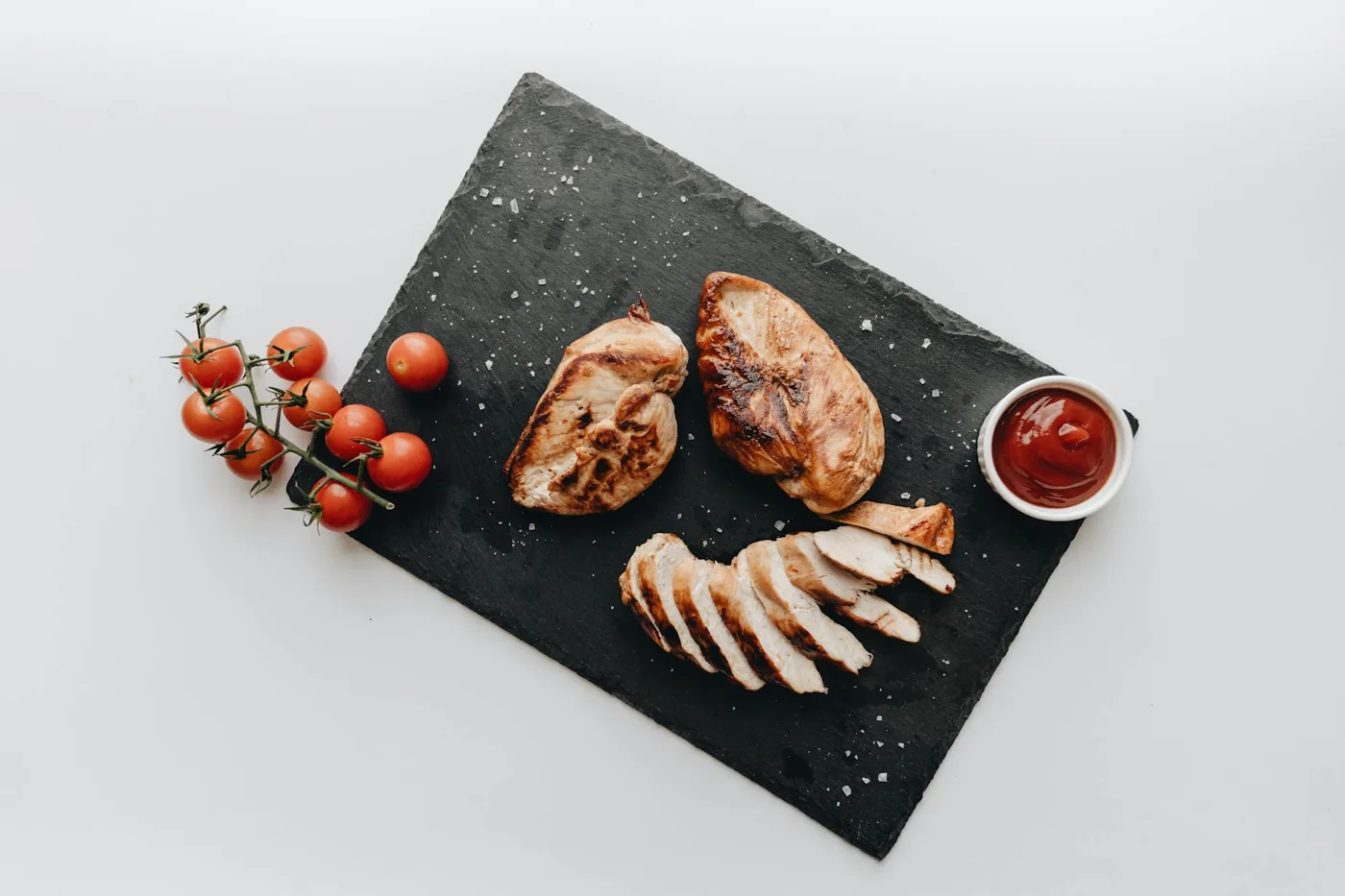
Choose the dish before adding more heat
A rotisserie leg, plain poached breast, and heavily seasoned barbecue chicken need different partners. Remove bones and cartilage, notice the existing seasoning, and decide whether the meat is better sliced, shredded, or chopped. Dry breast usually works better with a coating of sauce than as a large reheated piece.
These are twelve meal ideas, not twelve newly tested recipes. Use a developed recipe where you need exact amounts, oven settings, or baking times, especially for pastry and dense casseroles. For a current texture problem, see making dry chicken easier to eat.
| What you have | Good starting point | Adjustment to consider |
|---|---|---|
| Dry plain breast | Soup, creamy pasta, enchilada filling | Smaller pieces and enough sauce to coat them |
| Juicy roast meat | Salad, sandwich, grain bowl | Keep crisp or wet toppings separate until serving |
| Strongly seasoned chicken | A compatible curry, flatbread, or stuffed potato | Reduce extra salt and seasoning until you check the whole dish |
| A small mixed handful | Soup or a vegetable-heavy bowl | Use chicken as one component, not the whole meal |
Twelve ways to use it
- Chicken noodle soup. Prepare the vegetables, broth, and noodles first. Add chopped cooked chicken toward the end to avoid another long simmer, then verify 165 F throughout. Late addition does not mean serving it merely lukewarm.
- A sauced curry. Make a coconut-milk and red-curry-paste sauce with cooked vegetables, then heat the chicken in it. Choose seasonings that suit the meat. Curry is a flavor choice, not a way to hide an abnormal smell or questionable refrigerated chicken.
- Enchiladas. Combine shredded chicken with a suitable filling sauce. Warm tortillas as your recipe directs so they roll without cracking. Use enough sauce for the assembled dish and check the center reaches 165 F.
- Creamy chicken pasta. Finish the pasta and sauce before adding bite-sized chicken. Adjust the sauce with compatible liquid rather than cooking the meat through a second long reduction.
- Pot pie. Use chicken in a vegetable-and-gravy filling, following a developed recipe for the pastry and bake. A browned lid cannot tell you whether the center of a deep pie is hot enough.
- A chicken-and-rice casserole. Follow a recipe designed for cooked chicken and the type of rice you have. Substituting dry rice for cooked rice changes the liquid and cooking requirements; check the finished center at 165 F.
- Stuffed baked potatoes. Split cooked potatoes and add chopped chicken with gravy, salsa, or another sauce. Heat the chicken safely before serving and add cold toppings afterward.
- Chicken flatbread. Try naan or flatbread with barbecue sauce, small chicken pieces, red onion, and mozzarella. Keep toppings modest enough for the base to cook properly. Melted cheese is not a temperature check for the meat.
- A grain bowl. Pair chicken with grains, vegetables, and dressing. Use safely stored grains as well as safely stored chicken. Keep cold salad components separate from the portion being reheated.
- Stuffed peppers. Use a recipe written for cooked chicken, and check whether it calls for cooked or uncooked grain. Dense fillings need a center-temperature check, even if the pepper looks tender.
- A warm chicken dip. For a Buffalo-style dip, use finely chopped chicken with cream cheese, Buffalo sauce, and ranch dressing. Heat the whole mixture to 165 F and serve with clean utensils; do not leave a dairy-and-chicken dip on the table all afternoon.
- Cold chicken salad. Mix properly cooked, chilled chicken with dressing and crisp vegetables, then keep it refrigerated until serving. A cold dish does not need reheating first if the chicken's original cooking and storage were safe.
Check storage before making a second meal
USDA leftover guidance calls for refrigeration within 2 hours, or 1 hour above 90 F, and a 3-to-4-day refrigerated window. Adding a day-old portion to a new casserole does not turn it into newly cooked chicken with a fresh full storage period.
Reheat only what you need. If saving a reheated portion, prompt cooling and safe storage still matter; reaching 165 F is not permission for repeated long periods on the counter. For a buffet, keep hot food at 140 F or above or manage the applicable time limit.
Do not taste chicken to investigate an uncertain history. Freeze safely handled portions earlier if you will not use them in time. See cooked-chicken storage, freezing portions, and reheating methods.
Sources and method
The storage, reheating, and hot-holding advice follows U.S. household guidance.