Quick Answer
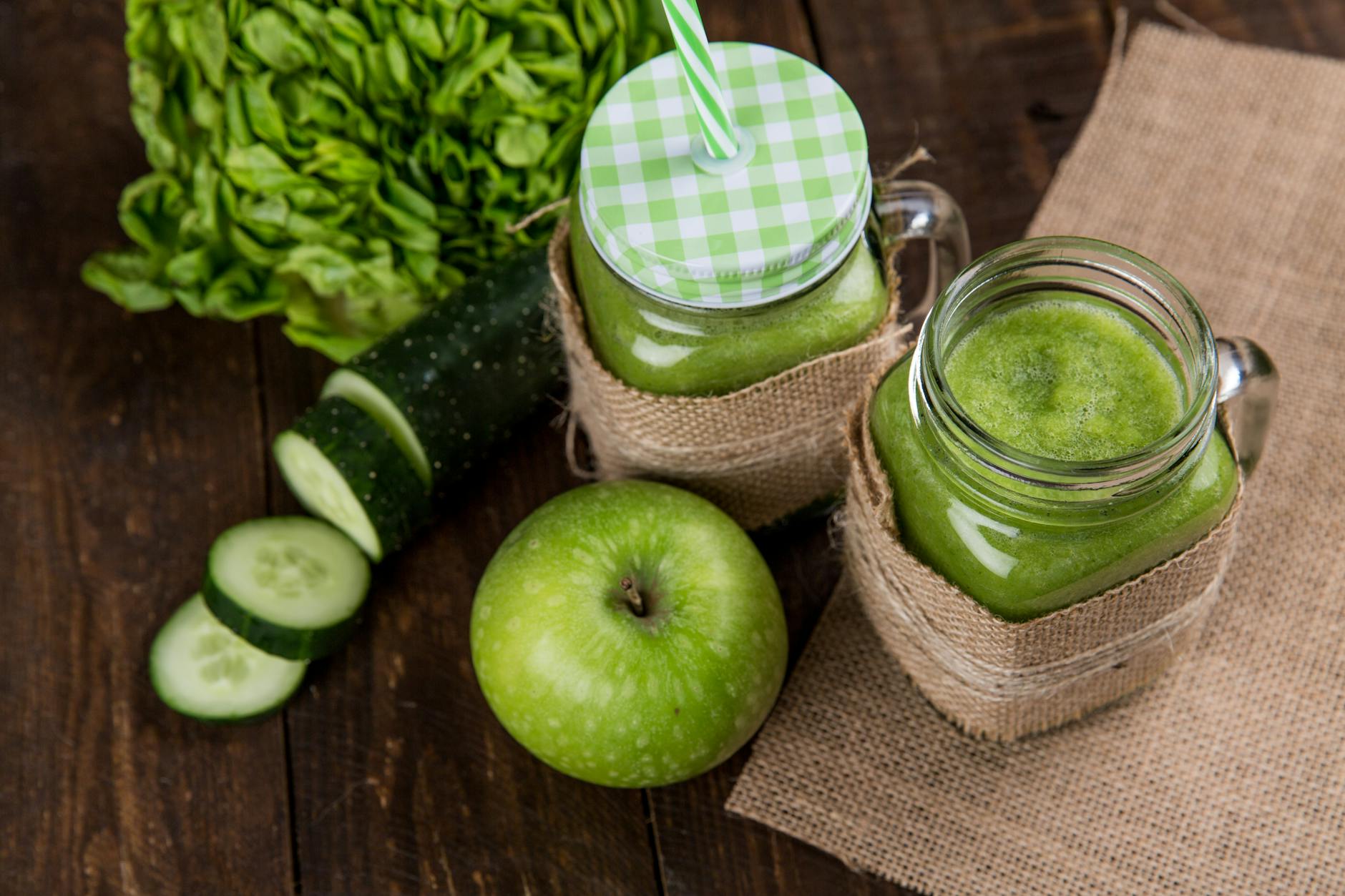
This guide covers the best green smoothie recipe for beginners. This easy green smoothie for beginners tastes like fruit, not kale. It also explains the banana trick and 8 variations.
Practical note
For A Practical Green Smoothie Recipe, this guide centers on 1 Cup Liquid, 2 Cups Leafy Greens, 3 Units of Fruit. Those are the checkpoints we would use first in a normal home kitchen before making a bigger change.
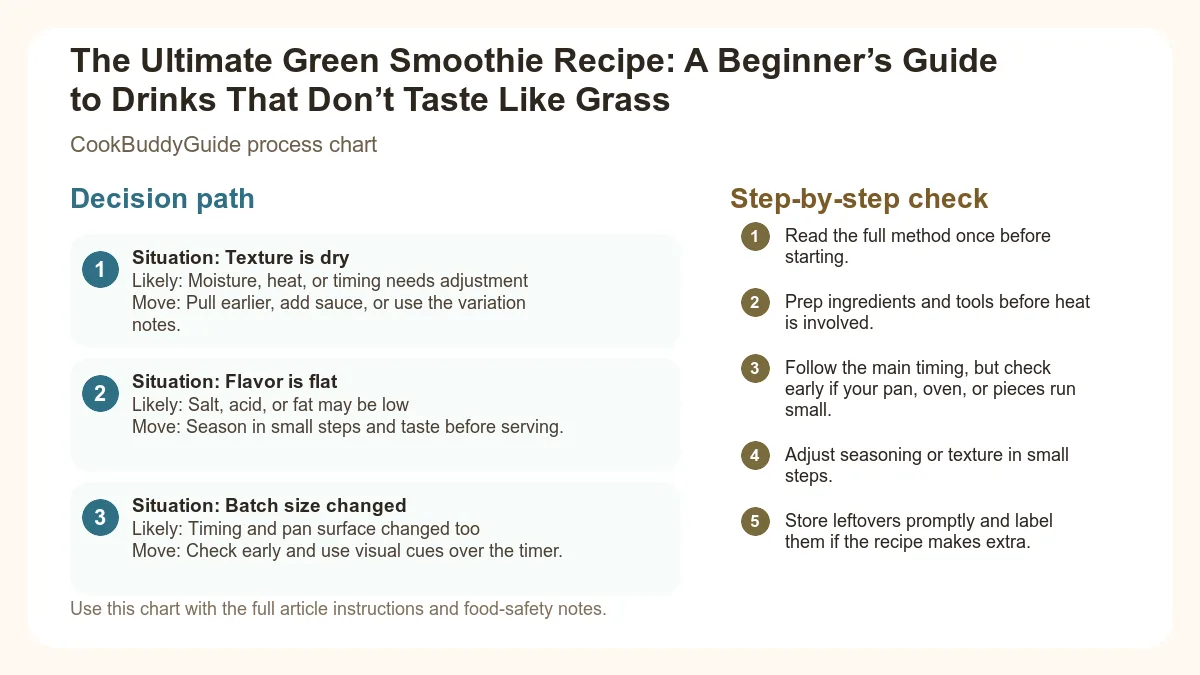
Decision table
| Situation | Likely cause or meaning | Best move |
|---|---|---|
| Texture is dry | Moisture, heat, or timing needs adjustment | Pull earlier, add sauce, or use the variation notes. |
| Flavor is flat | Salt, acid, or fat may be low | Season in small steps and taste before serving. |
| Batch size changed | Timing and pan surface changed too | Check early and use visual cues over the timer. |
Step-by-step fix
- Read the full method once before starting.
- Prep ingredients and tools before heat is involved.
- Follow the main timing, but check early if your pan, oven, or pieces run small.
- Adjust seasoning or texture in small steps.
- Store leftovers promptly and label them if the recipe makes extra.
Common mistakes
- Changing the recipe before trying the base method once.
- Measuring casually when texture depends on ratios.
- Waiting until the end to fix seasoning.
- Ignoring carryover heat or resting time.
Related topic hubs
We’ve all been there: you stand in your kitchen at 7:00 AM, staring down a glass of murky, sludge-colored liquid that looks like it was scooped directly from a backyard pond. You take a brave sip, only to be met with the gritty, bitter taste of "health." You force it down because you want the vitamins and minerals, but by 9:00 AM, you’re starving and reaching for a donut. This, my friends, is the "Green Smoothie Trauma" that stops most people before they even start.
Table of Contents
- Why Most Green Smoothies Fail (and How to Fix It)
- The Secret Ingredients for a Neutral-Tasting Base
- The Golden Ratio: Mastering Blender Layers
- Essential Equipment: Do You Need a High-Speed Blender?
- 8 Delicious Flavor Variations for Every Palate
- Supercharging Your Smoothie: Protein, Fats, and Fiber
- Meal Prep and Storage: The 60-Second Morning
- Troubleshooting and FAQs
Why Most Green Smoothies Fail (and How to Fix It)
The "Grass" Problem: Overcoming Bitterness
The primary culprit behind the "grassy" taste is the type of green used and the lack of a proper flavor masker. Kale and Swiss chard contain high levels of oxalic acid and fibrous structures that can be quite bitter. When you’re looking for an easy green smoothie for beginners, you need a green that is high in antioxidants but low in flavor. According to the science of smoothie texture, certain greens break down more easily into a neutral liquid, while others remain suspended as tiny, bitter particles.
Texture Troubles: Avoiding the "Chunky" Smoothie
Nothing ruins a healthy breakfast idea faster than chewing your drink. Texture issues usually stem from two things: the order of ingredients and the power of the blender. If you toss everything in at once, the leaves often get caught above the blades, resulting in "green flecks" rather than a smooth liquid. At CookBuddyGuide, our philosophy is simple: Nutrition should taste like a treat. If the texture isn't velvety, we go back to the drawing board.
The Secret Ingredients for a Neutral-Tasting Base
If you want a green smoothie recipe that kids (and picky adults) will actually drink, you need the right foundation. This is where most people go wrong by choosing the wrong greens or the wrong liquid.
Spinach: The Gateway Green
The Frozen Banana Trick for Creaminess and Sweetness
If you take nothing else from this article, remember this: Use frozen bananas. A room-temperature banana provides flavor, but a frozen banana provides texture. It acts as a natural emulsifier, turning your smoothie into something resembling soft-serve ice cream. Furthermore, the natural sweetness of ripe bananas increases as they age. Pro tip: Wait until your bananas are covered in brown spots (this is when the starch has converted to sugar), then peel, chop, and freeze them. This ensures maximum sweetness without needing added syrups or honey.
The Golden Ratio: Mastering the Blender Layers
The CookBuddy "Gateway" Green Smoothie
The 1-2-3 Formula:
- 1 Cup Liquid: Almond milk, coconut water, or plain water.
- 2 Cups Leafy Greens: Packed baby spinach.
- 3 Units of Fruit: 1 frozen banana + 1 cup of frozen fruit (mango or pineapple work best).
Instructions:
- Add the liquid and the spinach to the blender first. Blend on high until it looks like "green water."
- Add your frozen banana and other fruit.
- Add any "superchargers" (protein powder, seeds, etc.).
- Blend again until completely smooth.
Why blend the greens and liquid first? This is a technical nuance that many skip. By liquefying the greens alone, you ensure there are no stray leaves left. Once you add the frozen fruit, the mixture thickens significantly, making it harder for the blades to catch small pieces of spinach. For more technical tips on proportions, check out this guide on the perfect ratio of liquid to solids.
Essential Equipment: Do You Need a High-Speed Blender?
High-Speed vs. Conventional Blenders
A standard blender (like a $40 kitchen model) can still make a great green smoothie recipe, but you must be more intentional. If you have an older model, avoid using kale or frozen solid strawberries, which can be hard on the motor. Instead, stick to spinach and smaller frozen chunks like mango or blueberries. The nutritional benefits of blending greens remain the same regardless of the blender brand, but the "mouthfeel" will vary.
The "Pulse and Shake" Method
If your blender is struggling, don't just keep it running; you'll risk motor burnout. Stop the blender, use a spatula to push the ingredients down, or give the base a gentle shake. Adding the liquid first is even more critical for budget blenders to create a vortex that pulls the solids down into the blades.
8 Delicious Flavor Variations for Every Palate
Once you’ve mastered the base, it’s time to experiment. These variations are designed to be low calorie snacks or full weight loss recipes depending on your add-ins. Each recipe follows the 16oz serving standard.
1. Tropical Mango Bliss
The mango is the ultimate masker. Its bright orange color and thick texture hide the spinach perfectly.
- 1 cup coconut water
- 2 cups spinach
- 1.5 cups frozen mango chunks
- Squeeze of lime (improves iron absorption!)
2. Wild Berry Antioxidant Blast
Note: This will turn purple/brown. If you have picky kids, call it "Purple Power" rather than a green smoothie.
- 1 cup almond milk
- 2 cups spinach
- 1 cup mixed berries (blueberries, raspberries, blackberries)
- 1/2 frozen banana
3. Chocolate Peanut Butter Green (The "Milkshake" Hack)
- 1 cup unsweetened chocolate almond milk
- 2 cups spinach
- 1 large frozen banana
- 1 tbsp peanut butter
- Optional: 1 scoop chocolate protein powder
4. Pineapple Ginger Zinger
Great for digestion and a spicy kick to your morning routine.
- 1 cup water or orange juice
- 2 cups spinach
- 1.5 cups frozen pineapple
- 1 tsp fresh grated ginger
5. Creamy Peach and Vanilla
Tastes like a summer cobbler. Use a high-quality vanilla extract for the best results.
- 1 cup oat milk
- 2 cups spinach
- 1.5 cups frozen peaches
- 1/2 tsp vanilla bean paste
6. The Green Colada
Close your eyes and you're at a resort. The coconut masks any hint of greens.
- 1/2 cup coconut milk (canned for extra creaminess)
- 1/2 cup coconut water
- 2 cups spinach
- 1.5 cups frozen pineapple
7. Apple Cinnamon Fiber Starter
A great fall-themed green smoothie recipe. Use a sweet apple like Honeycrisp or Fuji.
- 1 cup water
- 2 cups spinach
- 1 apple, cored and sliced
- 1/2 frozen banana
- 1/2 tsp cinnamon
8. Strawberry Fields Forever
A classic combination that never fails. The strawberries provide a beautiful tartness.
- 1 cup almond milk
- 2 cups spinach
- 1.5 cups frozen strawberries
- 1 tbsp hemp hearts for healthy fats
Supercharging Your Smoothie: Protein, Fats, and Fiber
A smoothie made of just fruit and greens is essentially a glass of natural sugar and fiber. While healthy, it might not keep you full. To turn this into one of your high protein weight loss meals, you need to add "staying power."
Invisible Protein Add-ins
If you don't like the chalky taste of protein powders, try adding 1/2 cup of Greek yogurt or 1/4 cup of silken tofu. Both add a massive protein boost (about 10-15g) and make the smoothie incredibly creamy without changing the flavor profile.
Healthy Fats for Long-Lasting Energy
Fiber Boosters That Won't Change the Texture
If you're looking for extra dietary fiber, seeds are your best friend. However, be careful with chia seeds; if left to sit, they turn the smoothie into a gel. Consider hemp hearts or ground flaxseed for a smoother experience. For a savory, nutty boost of B-vitamins, a teaspoon of nutritional yeast can be added to the chocolate or berry variations—you won't even know it's there!
Meal Prep and Storage: The 60-Second Morning
The biggest barrier to a healthy morning routine is the cleanup. If you have to pull out five bags of frozen fruit and a tub of spinach every day, you’ll eventually stop doing it. This is where meal prep saves the day.
DIY Smoothie Freezer Packs
Spend 20 minutes on Sunday creating "Smoothie Kits." In a reusable silicone bag or quart-sized freezer bag, add your spinach, your frozen fruit, and your seeds/add-ins. Do NOT add the liquid or yogurt. In the morning, simply dump the bag into the blender, add 1 cup of liquid, and blend. It takes less than 60 seconds. For more time-saving tips, see our guide on breakfast meal prep ideas.
How Long Does a Blended Smoothie Last?
Ideally, you should drink your smoothie immediately. However, if you're a commuter, you can store it in a glass Mason Jar. Fill it to the very brim to minimize air exposure (which causes oxidation and browning). A squeeze of lemon juice can also act as a natural preservative. A blended smoothie will stay fresh in the fridge for about 24 hours, though the texture may thin out slightly as the frozen fruit thaws.
Troubleshooting and FAQs
If your smoothie is watery, add more frozen fruit or a handful of ice. Alternatively, adding a tablespoon of chia seeds and letting it sit for 5 minutes will thicken it into a smoothie bowl consistency.
First, try adding more frozen banana or a splash of maple syrup. If it's still bitter, use the "pinch of salt" trick. A tiny bit of salt neutralizes bitter receptors on the tongue, making the fruit flavors pop.
Always follow the "Liquid First" rule. If that doesn't work, you may be using too many frozen items at once. Thaw your fruit for 5 minutes on the counter before blending to give the blades a better chance to catch.
Absolutely! However, consider rotating your greens. If you use spinach every day for months, try switching to bok choy or romaine for a week to ensure a diverse intake of vitamins and minerals.
Cleaning Your Blender in 30 Seconds
Don't let the green sludge dry on the sides! As soon as you pour your drink, fill the blender halfway with warm water and a drop of dish soap. Run it on high for 30 seconds, rinse, and you're done. No scrubbing required.
Final Thoughts: Your Journey to a Greener Morning
Making a green smoothie recipe that tastes amazing is a skill, but it’s one you can master in a single morning. By prioritizing spinach, using the frozen banana trick, and following the 1-2-3 ratio, you’re setting yourself up for a sustainable, healthy habit. Remember, the best smoothie is the one you actually look forward to drinking. Start with the Tropical Mango or the Chocolate Peanut Butter, and before you know it, you’ll be a green smoothie pro. Happy blending!