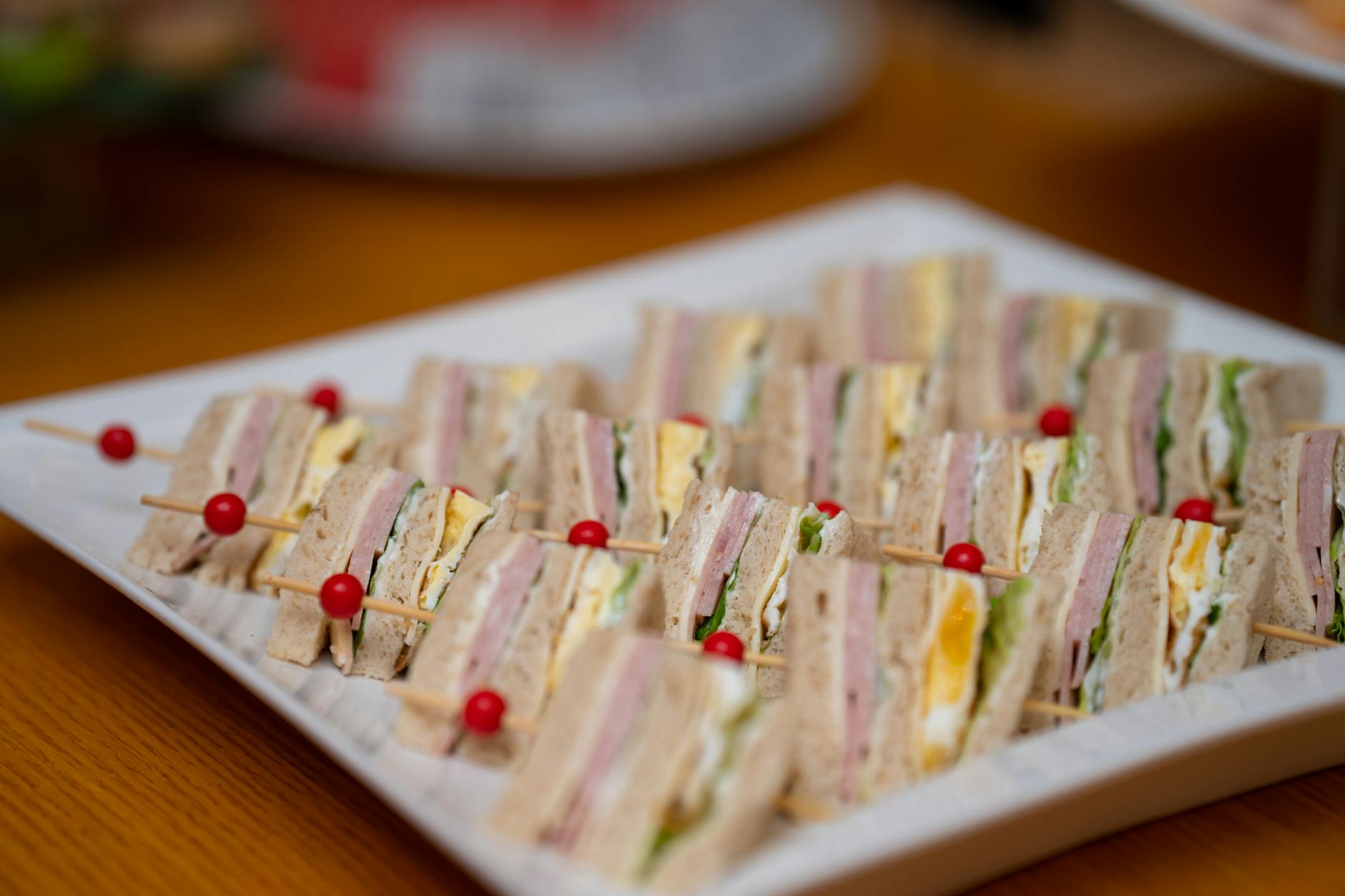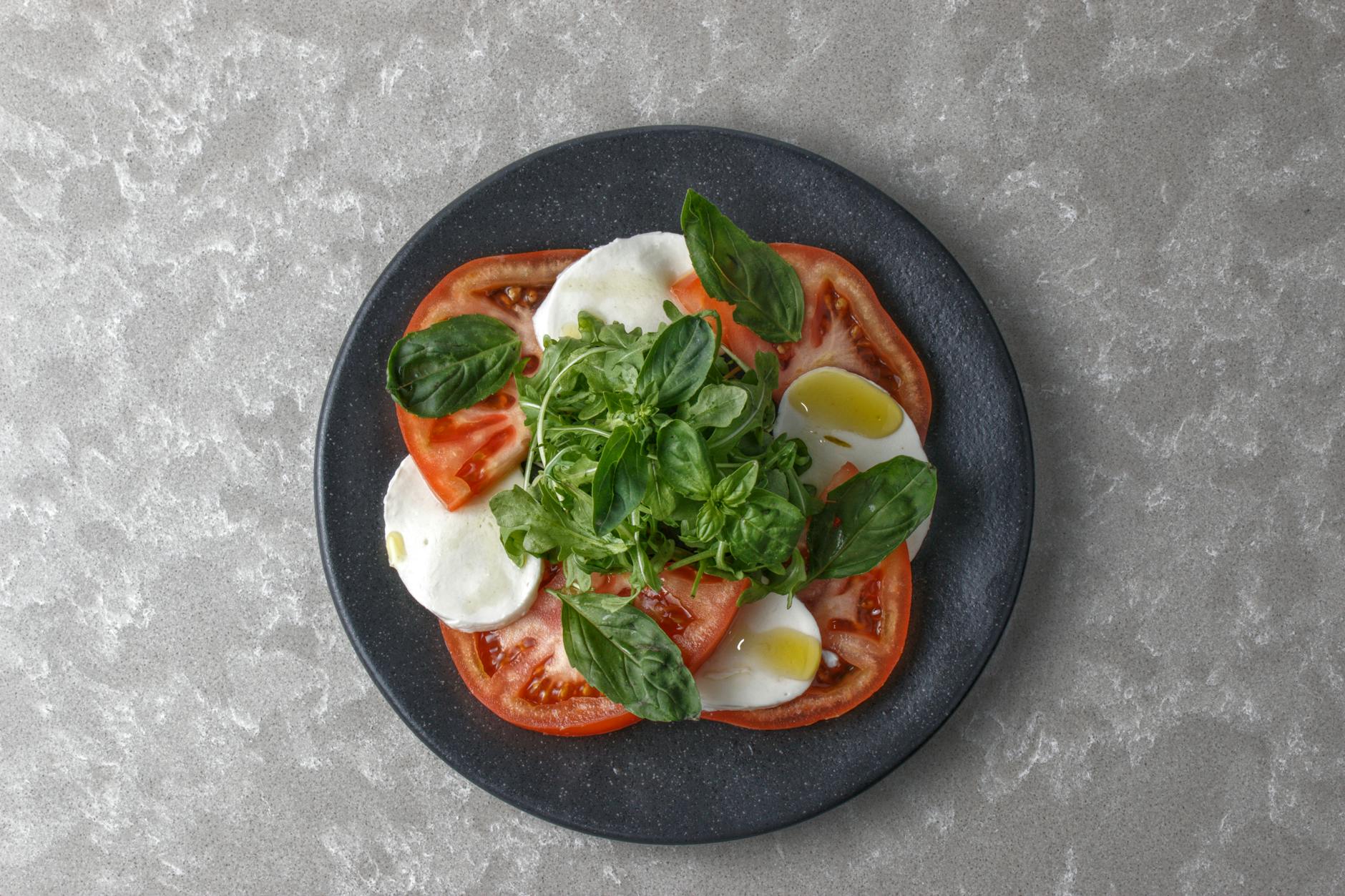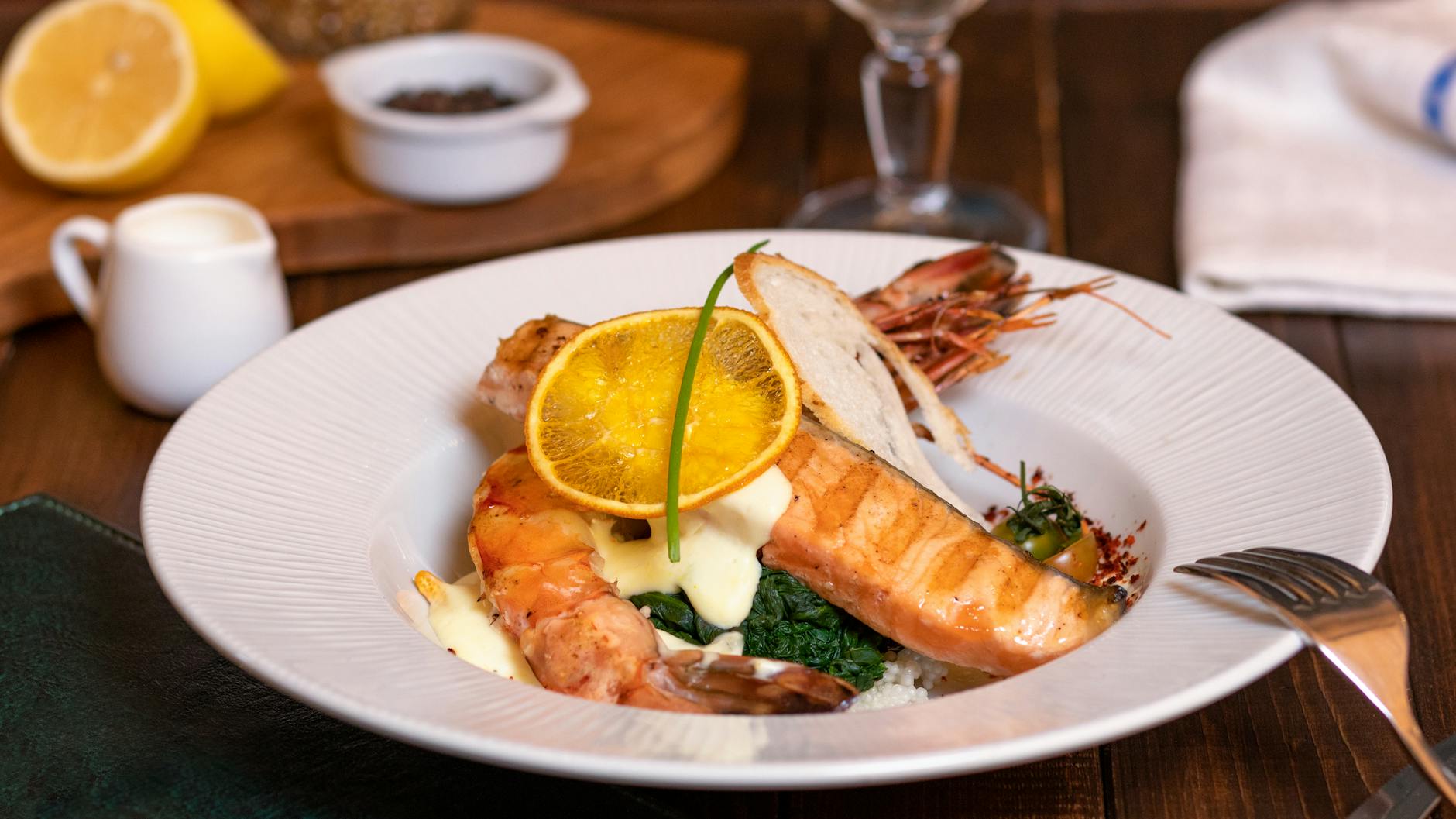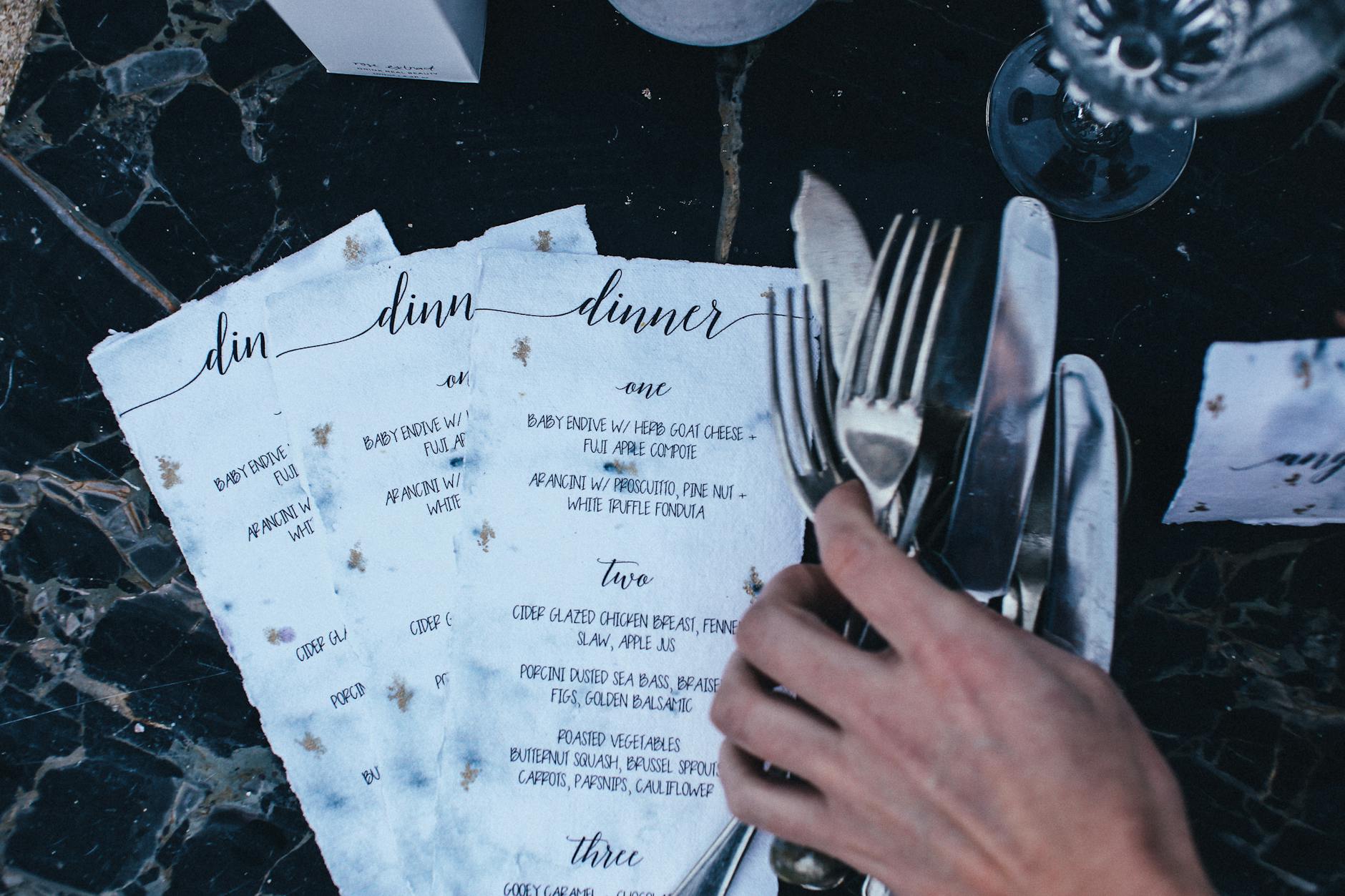
A good dinner party menu for 8 has one make-ahead main, two simple sides, a starter that needs little attention, and a dessert finished before guests arrive. The easiest plan is white bean dip, braised short ribs, mashed potatoes, green beans, and lemon bars. A salmon menu and a vegetarian fallback are included below.
Quick Answer
Plan a dinner party menu for 8 with three flexible menus, exact portions, a make-ahead timeline, dietary swaps, and food safety guidance for home cooks.
Related topic hubs
Quick answer
- Choose one menu before you shop, then scale every recipe to eight servings.
- For a plated meal, plan portions before buying ingredients so the starter does not compete with the main.
- Finish dessert, sauce, and cold starter the day before. Leave only reheating, one hot side, and final assembly for the last hour.
- Ask about allergies and dietary needs when guests accept, not when they arrive.
Practical note
This is an editorial planning model, not a report of a CookBuddyGuide test dinner. The quantities use published Extension guidance, while the menus favor dishes that can be made ahead or served family-style. Check each recipe's yield, your cookware capacity, and your guests' needs before shopping.
In this guide
How much food do you need for 8 guests?
Start with eight portions of every course, then account for bones and serving style. Iowa State University Extension suggests 1/4 to 1/3 pound of boneless meat, 3/4 to 1 pound of bony meat such as short ribs, 4 ounces of vegetables, and 5 ounces of potatoes per adult. Buffet service is less predictable because guests serve themselves.
| Food | Per adult | For 8 adults | Planning note |
|---|---|---|---|
| Boneless main | 1/4 to 1/3 lb | 2 to 2 2/3 lb | Use the higher end if the starter is light. |
| Bony main such as short ribs | 3/4 to 1 lb | 6 to 8 lb | The bone raises the purchase weight. |
| Potatoes | 5 oz | 2 1/2 lb | Round up if mashed potatoes are the only starch. |
| Cooked vegetable side | 4 oz | 2 lb | Trim waste may require buying a little more. |
| Soup or salad | 1 cup | 8 cups | Serve less if it is only a small first course. |
| Bread | 1 to 2 portions | 8 to 16 portions | Choose the lower end when another starch is served. |
These are planning estimates, not nutrition prescriptions. Check the original Iowa State Extension quantity table and adjust for children, large appetites, and a buffet. University of Minnesota Extension also recommends checking oven, refrigerator, pot, and serving space before settling on a menu.
How do you plan a dinner party menu for 8?
- Ask about restrictions. Confirm allergies, vegetarian needs, alcohol preferences, and foods guests avoid before choosing the menu.
- Choose the main first. Pick one dish that scales cleanly and does not require eight individual pans or last-minute searing.
- Map the appliances. Write down what needs the oven, stovetop, refrigerator, slow cooker, and counter. If two dishes need the same space at the same time, change one.
- Set quantities. Record the yield beside every recipe and calculate eight portions. Do not multiply a baking recipe casually; use a version written for the pan size you need.
- Assign a finish time. Work backward from dinner. Add reheating, resting, plating, and a 15-minute buffer.
- Label the service plan. Decide which dishes are plated, passed family-style, or set on a buffet. Put the serving utensil beside each dish before guests arrive.
What can you make ahead?
Make-ahead dishes cut the number of decisions in the final hour. Food Network's current dinner-party collection includes starters, mains, desserts, and batched drinks designed for advance preparation. For this plan, the braise, dessert, dip, and sauce can all be finished or nearly finished before party day.
| When | Tasks | Do not leave until then |
|---|---|---|
| 2 days before | Confirm guest needs, shop, check serving dishes, and chill drinks. | Do not assume pantry staples are full enough for eight. |
| 1 day before | Cook the braise, make lemon bars, prepare dip, wash vegetables, and set the table. | Do not cut delicate herbs or dress salad. |
| 4 hours before | Portion the starter, prep green beans, prepare potatoes, and clear the dishwasher. | Keep perishable foods refrigerated. |
| 90 minutes before | Reheat the braise or preheat for salmon, finish potatoes, and set out serving utensils. | Do not cook salmon yet. |
| 30 minutes before | Assemble the cold starter, fill water glasses, and start music. | Keep cold foods cold until service. |
| During the starter | Roast salmon if using that menu, finish green beans, and warm plates if desired. | Use a timer and thermometer. |
For more advance-prep ideas, see Food Network's make-ahead dinner party collection. Treat each recipe's storage and reheating directions as the authority for that dish.
How do you build a dietary fallback?
A useful fallback is a real main course, not a plate made from side dishes. Mushroom and lentil ragù over polenta can be prepared in a separate saucepan and served with the same green vegetable. It also keeps the host from redesigning the whole menu for one guest.
- For a vegetarian guest, use vegetable stock and check cheese labels if cheese is offered.
- For a vegan guest, use olive oil or a suitable plant-based fat and choose a dessert with confirmed vegan ingredients.
- For a gluten-free guest, use labeled gluten-free stock, crackers, and polenta. Prevent cross-contact with clean utensils and separate serving dishes.
- For allergies, ask the guest what is safe. Ingredient substitutions do not automatically remove cross-contact risk.
The site's quick vegetarian dinner ideas and gluten-free dinner guide offer more starting points, but labels and the guest's own guidance come first.
How do you keep the meal safe during service?
Use a food thermometer rather than color or texture to verify safety. USDA lists 145°F for fish and for whole cuts of beef, pork, veal, and lamb, with a three-minute rest for those meat cuts. Poultry and reheated leftovers should reach 165°F.
Keep hot food at 140°F or warmer and cold food at 40°F or colder. Refrigerate perishable leftovers within two hours, or within one hour when the room or outdoor temperature is above 90°F. Divide large amounts into shallow containers so they cool faster. The USDA's leftover safety guide covers cooling and reheating, and this site's leftover reheating guide turns that advice into a practical checklist.
Which tools are genuinely useful?
An instant-read food thermometer is the one tool worth singling out because it checks both the main course and reheated food. A large tray is also useful for moving eight plates or clearing glassware. Beyond that, use the cookware required by the recipes you chose; buying special gadgets will not fix an overloaded oven or an unrealistic timeline.
Five dinner party planning mistakes
- Choosing several last-minute dishes. Limit the final stretch to one main and one hot side.
- Ignoring pan and refrigerator capacity. Eight servings can outgrow everyday cookware quickly.
- Guessing at portions. Write down eight-serving quantities before making the shopping list.
- Treating dietary needs as an afterthought. Plan a complete fallback and keep its utensils separate where cross-contact matters.
- Leaving serving decisions until dinner. Match each dish with a platter and utensil before guests arrive.
Dinner party FAQ
What is a good dinner party menu for 8?
Serve white bean dip with vegetables and crackers, braised short ribs, mashed potatoes, lemon green beans, and lemon bars. The starter, braise, and dessert can be prepared ahead, leaving only reheating and the green beans near serving time.
As a planning estimate, allow 2 to 2 2/3 pounds of a boneless main or 6 to 8 pounds of bony short ribs, plus about 2 1/2 pounds of potatoes and 2 pounds of vegetables. Adjust for children, appetite, buffet service, and the number of courses.
Braises, dips, many sauces, lemon bars, and some chilled desserts can usually be made the day before when the recipe includes safe storage directions. Wash and trim sturdy vegetables ahead, but dress salads and cook delicate fish close to serving.
How do I handle a vegetarian or gluten-free guest?
Offer a complete separate main, such as mushroom and lentil ragù over polenta, and verify every packaged ingredient. Use clean utensils and separate serving dishes when cross-contact is a concern, and ask the guest what is safe for them.