Quick Answer
This guide covers stress-free Christmas dinner ideas with our easy impressive christmas dinner menu guide. Includes beef, ham, and vegetarian options plus a prep timeline.
Related topic hubs
Method and key variables
One of the biggest hurdles in dinner party planning is knowing how much food to buy. There is nothing worse than running out of the crowd-pleasing main course, but you also don't want to be eating ham sandwiches until February.
Intimate Gatherings: Serving 4 to 6
For smaller groups, focus on quality over quantity. This is the perfect time to splurge on a high-end cut like beef tenderloin or to master the art of the roast chicken. When serving 4 to 6 people, you can often get away with a single roasting pan and two side dishes. Pro Tip: Aim for 1/2 pound of boneless meat per person, or 3/4 pound if the meat is bone-in.
The Grand Feast: Hosting 10 or More
When the guest list hits double digits, oven management becomes your primary challenge. This is where the "buffet vs. plated" debate comes in. For large crowds, a buffet is almost always superior. It keeps the food warmer and allows guests to customize their portions. To save space, consider using a slow cooker for your traditional side dishes like mashed potatoes, freeing up the oven for the main event.
Option 1: The Showstopper Garlic Herb Beef Tenderloin
Garlic Herb Roasted Beef Tenderloin
Ingredients: 4-5 lb center-cut beef tenderloin, 6 cloves minced garlic, 2 tbsp chopped fresh rosemary, 2 tbsp fresh thyme, 1/4 cup olive oil, 2 tbsp kosher salt, 1 tbsp cracked black pepper.
Method: 1. Remove the meat from the fridge 1 hour before cooking. This is vital for even cooking. 2. Pat the meat dry with paper towels. Rub with the oil, herbs, garlic, salt, and pepper. 3. Sear the meat in a hot cast-iron skillet for 2 minutes per side to develop a crust. 4. Transfer to a 425°F (220°C) oven. Roast until a meat thermometer inserted into the thickest part reaches your desired temperature. 5. Crucial Step: Let the meat rest for at least 20 minutes before slicing.
The Secret to the Perfect Crust
The key to an impressive roast is the Maillard reaction—the chemical reaction between amino acids and reducing sugars that gives browned food its distinctive flavor. To achieve this, your meat must be dry. If the surface is wet, it will steam rather than sear. For an even more consistent result, consider the reverse sear beef tenderloin method, which involves slow-roasting first and searing at the very end.
Common Mistake: Overcooking the Center
Beef tenderloin is expensive, and overcooking it is a tragedy. Always use a meat thermometer. Do not rely on "poke tests" or time alone. For a perfect medium-rare, pull the meat out of the oven when the internal temperature hits 125°F. It will rise to 135°F while resting. Refer to the official safe minimum internal temperatures to ensure you're cooking safely for your guests.
Option 2: Classic Brown Sugar Glazed Ham
For many, Christmas Eve dinner isn't complete without a ham. It is perhaps the most "set it and forget it" option available, making it ideal for the busy host. If you’re looking for affordable holiday dinner options, ham offers the best "bang for your buck," especially considering the leftovers.
Choosing Between Bone-In and Spiral Sliced
The 3-Ingredient Holiday Glaze
Ingredients: 1 cup packed brown sugar, 1/4 cup Dijon mustard, 2 tbsp apple cider vinegar (or pineapple juice).
Method: Whisk ingredients together in a small saucepan over medium heat until the sugar dissolves. Brush over the ham during the last 30 minutes of baking. The sugar will caramelize into a sticky, sweet lacquer that looks incredible on a festive table decor setup.
The 'Foil Tent' Technique
To prevent the outside of the ham from becoming tough while the inside warms through, wrap the entire roasting pan tightly with heavy-duty aluminum foil. This traps the steam and creates a self-basting environment. Only remove the foil during the last half hour when you apply the glaze and crank up the heat to get that beautiful mahogany finish.
Option 3: Lemon Herb Roasted Chicken for Smaller Groups
Crispy Skin Secrets: The Dry Brine Method
The Butter-Under-The-Skin Technique
Option 4: Mushroom and Lentil Wellington (Vegetarian Centerpiece)
Vegetarian guests shouldn't have to fill up on traditional side dishes alone. A Mushroom and Lentil Wellington is a meaty, savory, and visually stunning crowd-pleasing main course. For more inspiration, check out these vegetarian holiday centerpiece ideas.
Building Umami Without the Meat
The secret to a great vegetarian main is umami flavor profile. I achieve this by using a mix of cremini and dried porcini mushrooms, along with a splash of soy sauce and tomato paste. This creates a depth of flavor that satisfies even the most dedicated carnivores.
Mushroom & Lentil Wellington
Key Tip: Sauté your mushrooms until they have released all their liquid and are starting to brown. If the filling is too wet, you will end up with a "soggy bottom" on your puff pastry. Let the filling cool completely before wrapping it in the store-bought puff pastry.
Working with Store-Bought Puff Pastry Like a Pro
Store-bought puff pastry is a miracle of modern cooking. To make it look "impressive," use a sharp paring knife to score a cross-hatch pattern or leaf shapes into the top of the pastry. Brush with a heavy egg wash (one egg plus a splash of cream) for that deep golden-brown shine that screams holiday hosting excellence.
The Supporting Cast: Side Dish Pairings That Shine
A christmas dinner menu is only as good as its sides. You want a balance of textures and flavors: something creamy, something acidic, and something crunchy.
- The Starch: Creamy Boursin Mashed Potatoes. Instead of just butter and milk, fold in a puck of Garlic & Herb Boursin cheese. It adds an instant layer of sophistication with zero extra effort.
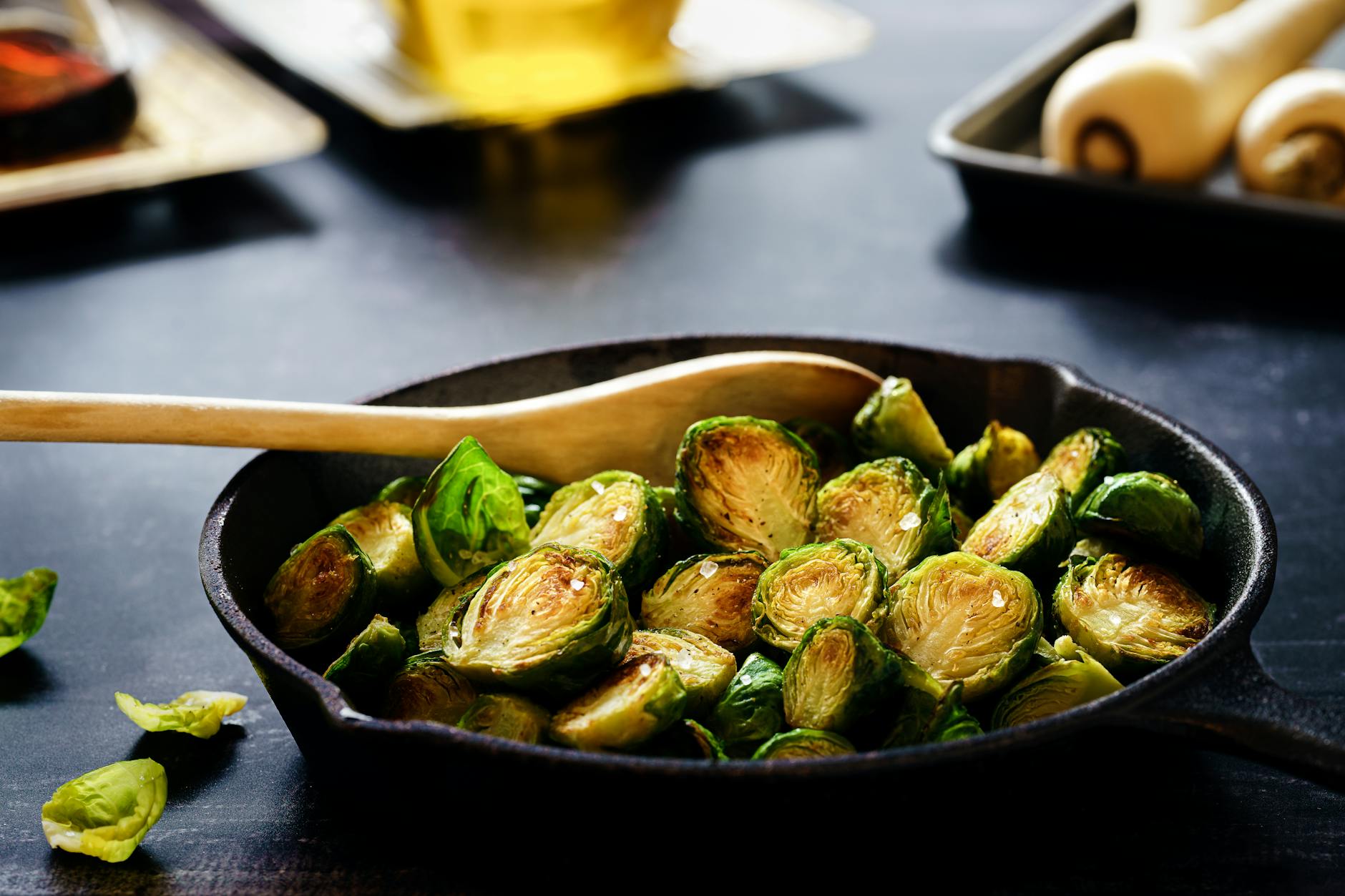
- The Green: Balsamic Roasted Brussels Sprouts. Toss sprouts with olive oil, salt, and pancetta. Roast at 400°F until charred. Finish with a drizzle of balsamic glaze and dried cranberries for a pop of color.
- The Bread: No-Knead Overnight Dinner Rolls. These can be prepped 24 hours in advance and baked right before dinner. The smell of fresh bread is the ultimate festive table decor for the nose.
The Make-Ahead Prep Timeline: Your 3-Day Countdown
Success in holiday hosting is all about the timeline. Following a make-ahead holiday dinner strategy is the only way to stay sane.
3 Days Out: Shopping and Sauce Prep
- Clean out the fridge to make room for the roasting pan and large containers.
- Do the big grocery shop (see our list below).
- Make any cold sauces (cranberry sauce, horseradish cream, or salad dressings).
Christmas Eve: Chopping and Brining
- Chop all vegetables for the roast and sides. Store them in airtight bags.
- Dry brine the chicken or season the beef tenderloin.
- Set the table. Yes, do it now! It’s one less thing to worry about tomorrow.
Christmas Day: The Hour-by-Hour Execution
- 12:00 PM: Take the meat out of the fridge to bring it to room temperature.
- 2:00 PM: Prep the potatoes and get them in the slow cooker.
- 3:30 PM: Start the main course (depending on the weight and required internal temperature).
- 4:30 PM: Roast the vegetables while the meat is resting meat.
- 5:00 PM: Dinner is served!
Table Setting and Hosting Hacks
The Drink Station: Self-Serve Holiday Punch
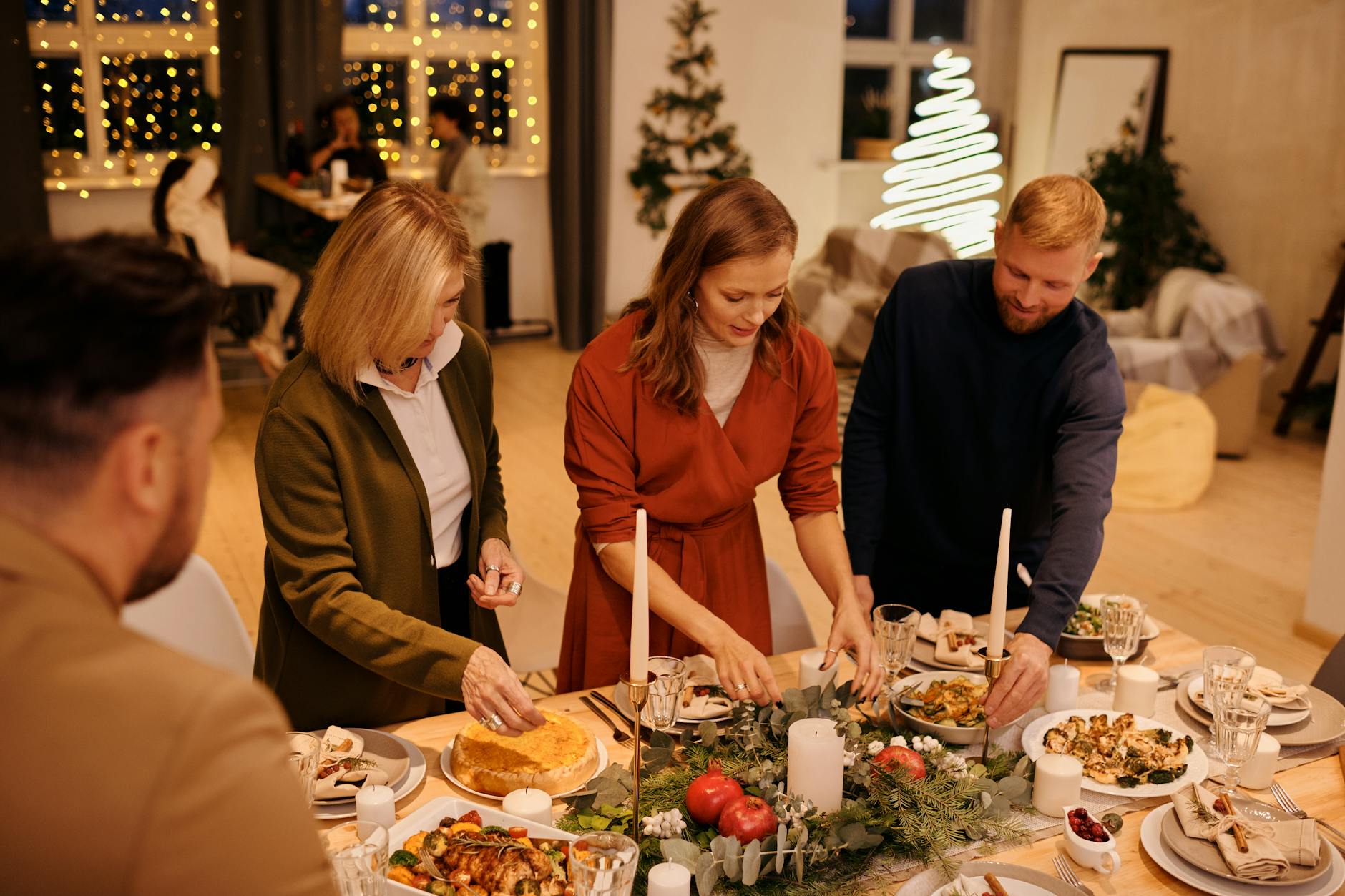
To keep people out of the kitchen while you’re finishing the gravy, set up a self-serve drink station in the living room. A large bowl of sparkling pomegranate punch or a slow cooker full of mulled cider allows guests to help themselves. This is a key part of dinner party planning that many people overlook.
A Practical Organized Grocery List
Christmas Dinner Shopping List (Serves 8)
Produce & Fresh Herbs: 5 lbs Yukon Gold potatoes, 2 lbs Brussels sprouts, 3 heads garlic, fresh rosemary, thyme, parsley, 1 bag fresh cranberries, 2 lemons, 1 bag of onions.
Meat & Dairy: 5 lb Beef Tenderloin (or 8-10 lb Ham), 2 sticks unsalted butter, 1 pint heavy cream, 1 container Boursin cheese, 1 dozen eggs.
Pantry Staples & Baking: Kosher salt, black peppercorns, olive oil, balsamic glaze, brown sugar, Dijon mustard, 1 box puff pastry (frozen), 2 cartons chicken or vegetable stock.
Frequently Asked Questions
A: For a large roast like a beef tenderloin, 60 to 90 minutes is ideal. This ensures the internal temperature rises evenly, preventing a gray ring around the outside of the meat.
A: A heavy-rimmed baking sheet or a large cast-iron skillet can work in a pinch for chicken or tenderloin. For a heavy ham, however, a dedicated roasting pan is safer and helps circulate heat.
A: The easiest way is to keep your side dishes naturally gluten-free and vegetarian. Use olive oil instead of butter for the sprouts, and keep the cheese on the side for the salad. The Mushroom Wellington is a great "catch-all" for vegetarians.
Conclusion: Your Best Christmas Dinner Yet
The secret to christmas dinner ideas that actually work is simplicity paired with preparation. By choosing one crowd-pleasing main course, mastering a few culinary techniques like the dry brine or the foil tent, and following a strict prep ahead meals timeline, you can transform from a stressed-out cook into a relaxed host.
Remember, at the end of the day, your guests are there to see you, not just to eat. If the rolls get a little burnt or the potatoes need an extra pinch of salt, it’s okay. Use your meat thermometer, trust your kitchen organization, and enjoy the magic of the season. Merry Christmas and happy cooking from all of us at CookBuddyGuide!