Quick Answer
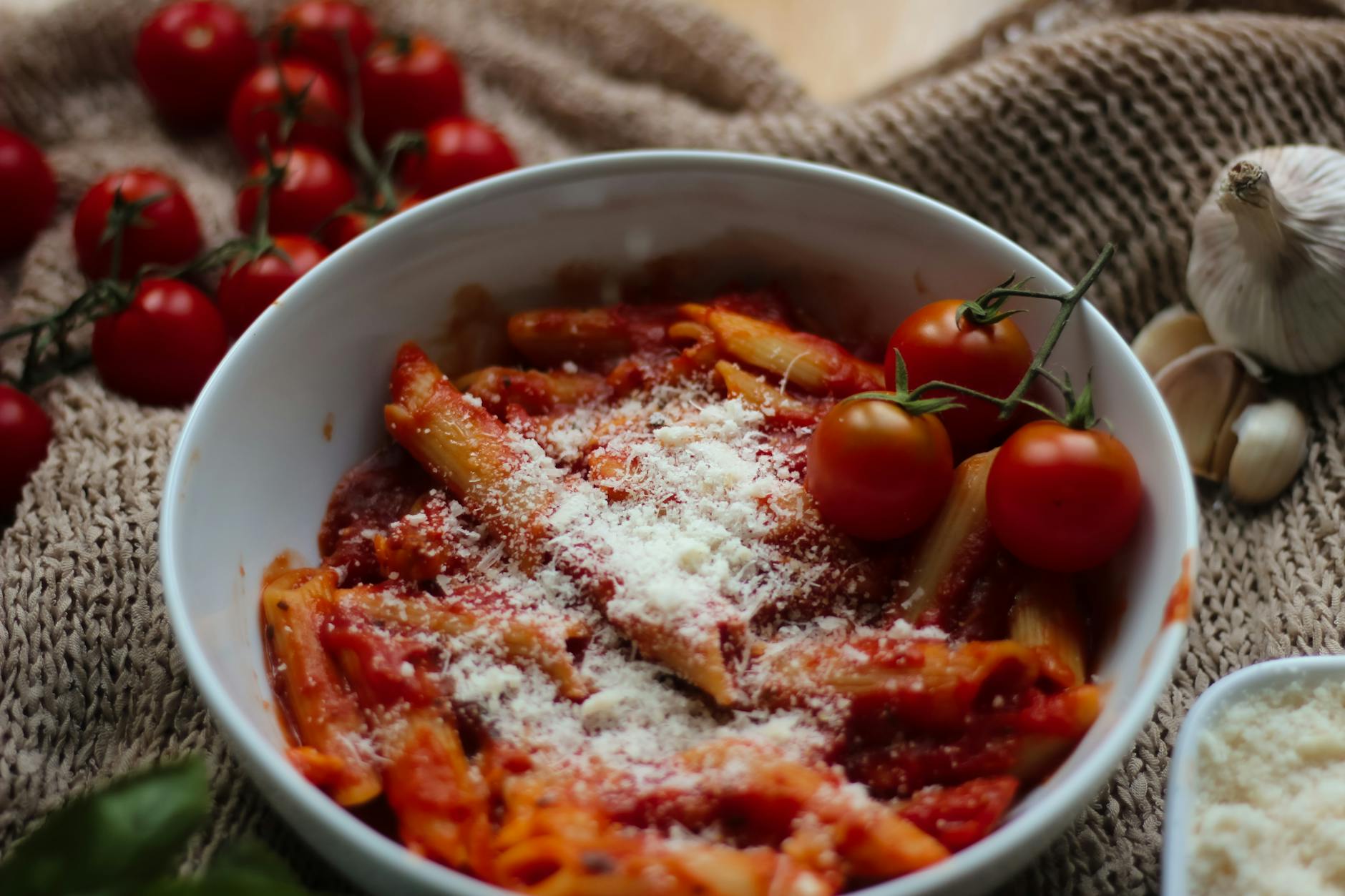
This guide explains how to cook pasta in slow cooker without it getting mushy. Our practical guide covers the best pasta shapes, timing tips, and easy recipes for busy cooks.
Method and key variables
Prep: 10 min | Cook: 1.5 - 2 hours
This isn't your standard pasta dish; it's a creamy, cheesy masterpiece. The trick here is using evaporated milk, which is much more stable than regular milk and won't curdle under heat.
Ingredients
- 1 lb elbow macaroni (dry)
- 12 oz can evaporated milk
- 2 cups whole milk
- 4 cups sharp cheddar cheese (shredded by hand!)
- 4 tbsp butter, cut into cubes
- 1/2 tsp garlic powder
- 1/4 tsp cayenne pepper (optional)
Instructions
- Grease your slow cooker or use slow cooker liners for easy cleanup.
- Add the dry macaroni, evaporated milk, whole milk, butter, and spices to the pot. Stir to combine.
- Cook on LOW for 1 hour.
- Stir in the shredded cheese. Pro tip: Never use pre-shredded cheese from a bag; it’s coated in potato starch which prevents it from melting smoothly.
- Cook for another 30-45 minutes on LOW until the pasta is tender and the sauce is thick.
For more safety tips, refer to the slow cooker food safety guidelines regarding proper holding temperatures for dairy-based dishes.
Practical Tips for Preventing Sticking and Overcooking
- The Oil Trick: Before adding your pasta to the liquid, toss the dry noodles in a tablespoon of olive oil. This creates a hydrophobic barrier that slows down the initial starch release, helping to keep the noodles separate.
- The Mid-Way Stir: About 15 minutes after you add the pasta, open the lid and give the pot a vigorous stir. This breaks up any clumps that have formed before the starch fully sets.
- Use Slow Cooker Liners: Pasta starch is notoriously difficult to scrub off ceramic. Using a liner saves you 20 minutes of soaking and scrubbing later.
- Mind the Carry-over Cooking: Pasta continues to cook even after you turn the machine off. If the pasta is 90% of the way to your desired texture, turn the slow cooker to "Keep Warm" or off entirely. The residual heat will finish the job without pushing it into "mushy" territory.
If you're looking for more ways to simplify your kitchen routine, check out our guide on easy crockpot freezer meals for more meal prep inspiration.
Common Mistakes and How to Fix Them
Mistake: My pasta is too dry and the sauce disappeared!
The Fix: This happens when the pasta absorbs more liquid than anticipated. Keep a kettle of hot water or broth nearby. Stir in 1/4 cup of hot liquid at a time until the sauce reaches your desired consistency. Never add cold water, as it will stop the cooking process.
Mistake: The noodles are gummy and sticking together.
The Fix: This usually means there wasn't enough agitation or the pasta was added to liquid that wasn't hot enough. Next time, ensure the slow cooker has been on HIGH for at least 20 minutes before adding the noodles, and don't forget the mid-way stir.
Mistake: The pasta in the middle is hard, but the edges are mushy.
The Fix: This is a classic "overfilling" issue. If the ceramic insert is more than 3/4 full, the convection heating won't circulate properly. Try to keep your batches to a size that fits comfortably in your specific Crock-Pot model.
Frequently Asked Questions
Can Use gluten-free pasta in a slow cooker?
Is it safe to cook raw meat and pasta together?
Yes, as long as the meat reaches the USDA-recommended internal temperature before the pasta is finished. This is why we cook the meat for several hours before adding the pasta.
Can I cook the pasta on the 'Low' setting?
You can, but it is much harder to time. On 'Low,' pasta can take anywhere from 45 to 90 minutes, and the risk of it becoming gummy is much higher because it spends more time in the "danger zone" of starch breakdown. Consider switching to 'High' for the pasta phase.
Conclusion: Master the One-Pot Wonder
The slow cooker pasta path is paved with a few soggy noodles, but once you master the 30-minute window and the liquid-to-pasta ratio, you’ll never look back. It transforms the way you handle easy weeknight dinners, allowing you to produce a one-pot meal that tastes like it spent all day on a gourmet stove.
Remember: choose sturdy shapes, brown your meats, and for heaven's sake, wait until the end to add your noodles. Your future self—sitting down to a perfect, al dente bowl of pasta—will thank you. Happy cooking!