 CookBuddyGuide
Decision table
| Situation | Likely cause or meaning | Best move |
|---|---|---|
| Texture is dry | Moisture, heat, or timing needs adjustment | Pull earlier, add sauce, or use the variation notes. |
| Flavor is flat | Salt, acid, or fat may be low | Season in small steps and taste before serving. |
| Batch size changed | Timing and pan surface changed too | Check early and use visual cues over the timer. |
Step-by-step fix
- Read the full method once before starting.
- Prep ingredients and tools before heat is involved.
- Follow the main timing, but check early if your pan, oven, or pieces run small.
- Adjust seasoning or texture in small steps.
- Store leftovers promptly and label them if the recipe makes extra.
Common mistakes
- Changing the recipe before trying the base method once.
- Measuring casually when texture depends on ratios.
- Waiting until the end to fix seasoning.
- Ignoring carryover heat or resting time.
Introduction: Why Hollandaise Doesn't Have to Be Intimidating
It’s 10:30 AM on a Sunday. You’ve got the English muffins toasted, the Canadian bacon is sizzling, and the eggs are perfectly poached, waiting in a warm water bath. Everything is ready for the ultimate brunch centerpiece, but there’s one thing standing between you and glory: the sauce. For many home cooks, learning how to make hollandaise sauce feels like a culinary rite of passage fraught with danger. We’ve all been there—whisking until our arms ache over a steaming double boiler, only to watch in horror as the sauce "breaks" into a greasy, curdled mess just seconds before serving.
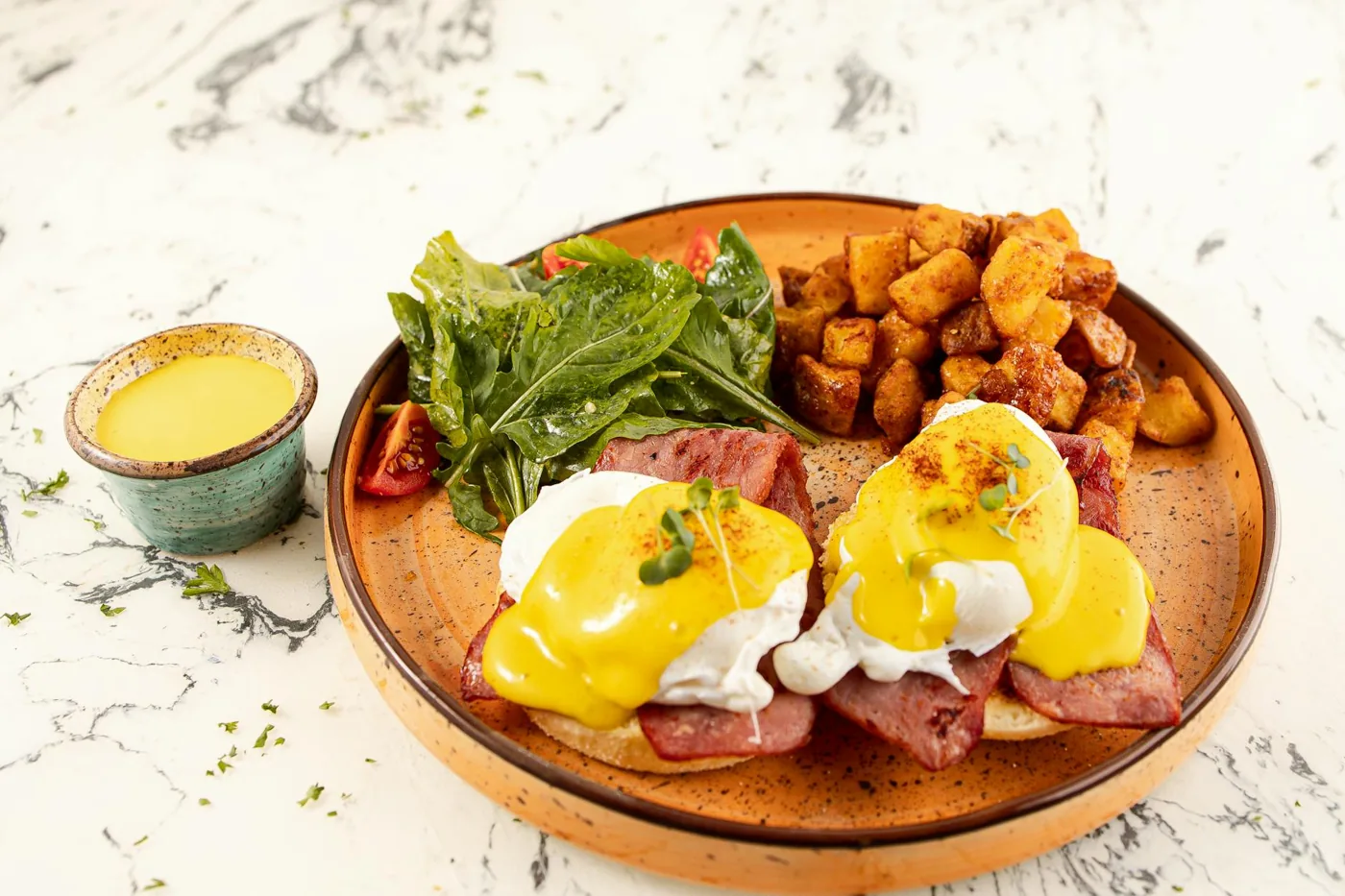
This guide isn't just a recipe; it's a masterclass in modernizing one of the classic Mother Sauces. We are going to strip away the intimidation and replace it with a reliable kitchen hack that delivers consistent results every single time. Whether you are a seasoned pro or a kitchen novice, this method will ensure your Eggs Benedict is draped in the most perfect sauce you’ve ever tasted.
What is an Emulsion?
To understand how to make hollandaise sauce, you first have to understand the chemistry of emulsification. Ordinarily, fat (melted butter) and water (lemon juice and egg yolks) do not mix. If you pour them into a bowl together, they will separate. An emulsion is the process of forcing these two antagonistic liquids into a stable union. In hollandaise, egg yolks serve as the primary emulsifier. They contain lecithin, a fatty substance that is attracted to both water and fat, acting as the "glue" that holds the melted butter droplets in suspension within the lemon juice base.
The Role of Heat and Friction in a Blender
The traditional double boiler method relies on gentle heat to thicken the yolks and slow manual whisking to incorporate the butter. However, the science of reliable hollandaise shows us that high-speed blades are actually more effective. When you use a blender or an immersion blender, the blades spin at thousands of revolutions per minute. This physical force breaks the butter into microscopic droplets that are much smaller than anything you could achieve with a hand whisk.
The hot butter helps form the emulsion, but its starting temperature does not prove that the finished sauce or every yolk reaches a safe time-temperature combination. Use pasteurized egg yolks for this blender method, following FDA's advice for hollandaise that is not thoroughly cooked. Add butter slowly for texture; do not describe blending as a validated pasteurization step.
The reliable Blender Hollandaise Recipe
Yields: Approx. 3/4 cup
Ingredients:- 3 large pasteurized egg yolks, kept refrigerated until preparation; FDA recommends pasteurized eggs for lightly cooked hollandaise.
- 1 tablespoon fresh lemon juice
- 1/2 teaspoon kosher salt
- 1/8 teaspoon cayenne pepper
- 1/2 cup (1 stick) unsalted high-quality butter
- Prepare the Base: Place the egg yolks, lemon juice, salt, and cayenne pepper into the jar of your blender. Secure the lid.
- Heat the butter: Melt it until hot and pourable without browning, then add it slowly to the pasteurized yolks while blending. Hot butter alone is not a safety treatment for ordinary raw eggs; FDA recommends pasteurized eggs for lightly cooked hollandaise.
- The First Pulse: Turn the blender on the lowest setting for 5 seconds to combine the yolk mixture.
- Final Emulsion: Once all the butter is in, continue blending for another 5-10 seconds until the sauce is thick and pale yellow.
- Taste and Adjust: Taste the sauce immediately. If it needs more zip, add a few more drops of lemon juice or a pinch more salt.
The "pencil-thin stream" technique is the most critical part of this kitchen hack. If you dump the butter in all at once, the yolks will be overwhelmed by the fat and won't be able to form the necessary bonds, resulting in a thin, greasy liquid. If you're looking for more easy breakfast meal prep ideas, you can actually prep the dry seasonings and lemon juice the night before to save even more time.
The 'Broken' Sauce: Why it Happens and How to Rescue It
Even with the blender method, things can occasionally go sideways. A "broken" sauce looks like curdled milk floating in oil. This usually happens if the butter was added too fast or if the butter was too hot, scrambling the eggs instead of emulsifying them. Don't throw it out! You can almost always fix a broken hollandaise sauce with a simple trick.
If the freshly made sauce separates, first try blending in a teaspoon of warm water. If using another yolk to restart the emulsion, use a pasteurized yolk, following FDA's lightly cooked egg guidance. This is a texture repair only: discard sauce that has been held unsafely rather than trying to rescue it.
Adjusting Consistency: What to Do if it's Too Thick
Sometimes the sauce becomes so thick it resembles mayonnaise. This often happens if you use extra-large yolks or if the butter cools too quickly. To thin it out, simply blend in a teaspoon of warm water or extra lemon juice at a time until you reach your desired sauce consistency. It should be thick enough to drape over an egg but fluid enough to pool slightly on the plate.
Why You Should Never Microwave Leftover Hollandaise
Make only the hollandaise you need and serve it promptly. For leftovers, USDA's egg guidance calls for reheating cooked egg dishes to 165 F. A warm-water bath that only brings sauce to room temperature does not meet that target and may leave it lukewarm for too long. Because full reheating can break this emulsion, a fresh batch is the more practical option.
Beyond Eggs Benedict: Creative Ways to Use Hollandaise
While Eggs Benedict is the most famous application, this sauce is incredibly versatile. Its high fat content and acidic brightness make it the perfect companion for a variety of dishes. If you're looking to simplify your evenings, consider these as part of your simple 5-ingredient dinner recipes.
Vegetable Pairings: Asparagus, Artichokes, and Broccoli
The richness of hollandaise is the perfect foil for the slight bitterness of spring vegetables. Steamed asparagus with a generous drizzle of hollandaise is a classic pairing. I also love using it as a dipping sauce for steamed artichoke leaves. The creamy texture clings to the vegetables, making even the simplest side dish feel like a luxury. For more inspiration, check out these versatile uses for hollandaise.
Seafood and Steak: The Béarnaise Connection
Hollandaise is the base for many other sauces. By adding chopped fresh tarragon and a reduction of shallots and peppercorns, you transform it into a Béarnaise sauce, which is the gold standard for grilled steak. For seafood, try drizzling hollandaise over poached salmon or seared scallops. The lemon in the sauce naturally complements the brine of the fish.
The Importance of Seasoning at the End
The flavor of hollandaise evolves as it sits. Consider a "Final Taste" just before serving. Sometimes the richness of the butter can mute the salt or the lemon. Don't be afraid to add one last squeeze of lemon or an extra crack of black pepper. This "Taste and Adjust" philosophy is what separates a good home cook from a great one.
Frequently Asked Questions
You can use an immersion blender (stick blender) in a tall, narrow jar. The method is the same: place yolks and acid at the bottom, and slowly pour the hot butter over the top while blending upward.
Do not assume 180 F butter pasteurizes raw yolks after mixing. Start with pasteurized eggs for this lightly cooked sauce, following FDA's egg-safety guidance. If only ordinary shell eggs are available, choose a fully cooked egg-sauce recipe with a measured endpoint instead.
Conclusion: Mastering the Mother Sauce
Learning how to make hollandaise sauce using the blender method is about more than just a single recipe—it's about gaining confidence in the kitchen. By understanding the emulsification process and utilizing modern tools, you can take the stress out of brunch and focus on what really matters: enjoying a delicious meal with family and friends.
The next time you're planning a special morning, skip the powdered mix and the stressful double boiler. Reach for your blender, heat up some high-quality butter, and watch as those simple hollandaise ingredients transform into a golden, velvety masterpiece. Once you've mastered this easy hollandaise no double boiler technique, you'll wonder why you ever found it intimidating in the first place. Happy cooking!