Quick Answer
This guide explains how to toast spices to unlock deep, complex flavors in your cooking. Our toasting spices technique guide covers skillet and oven methods for home cooks.
Related topic hubs
Method and key variables
Mastering the Dry Skillet Toast
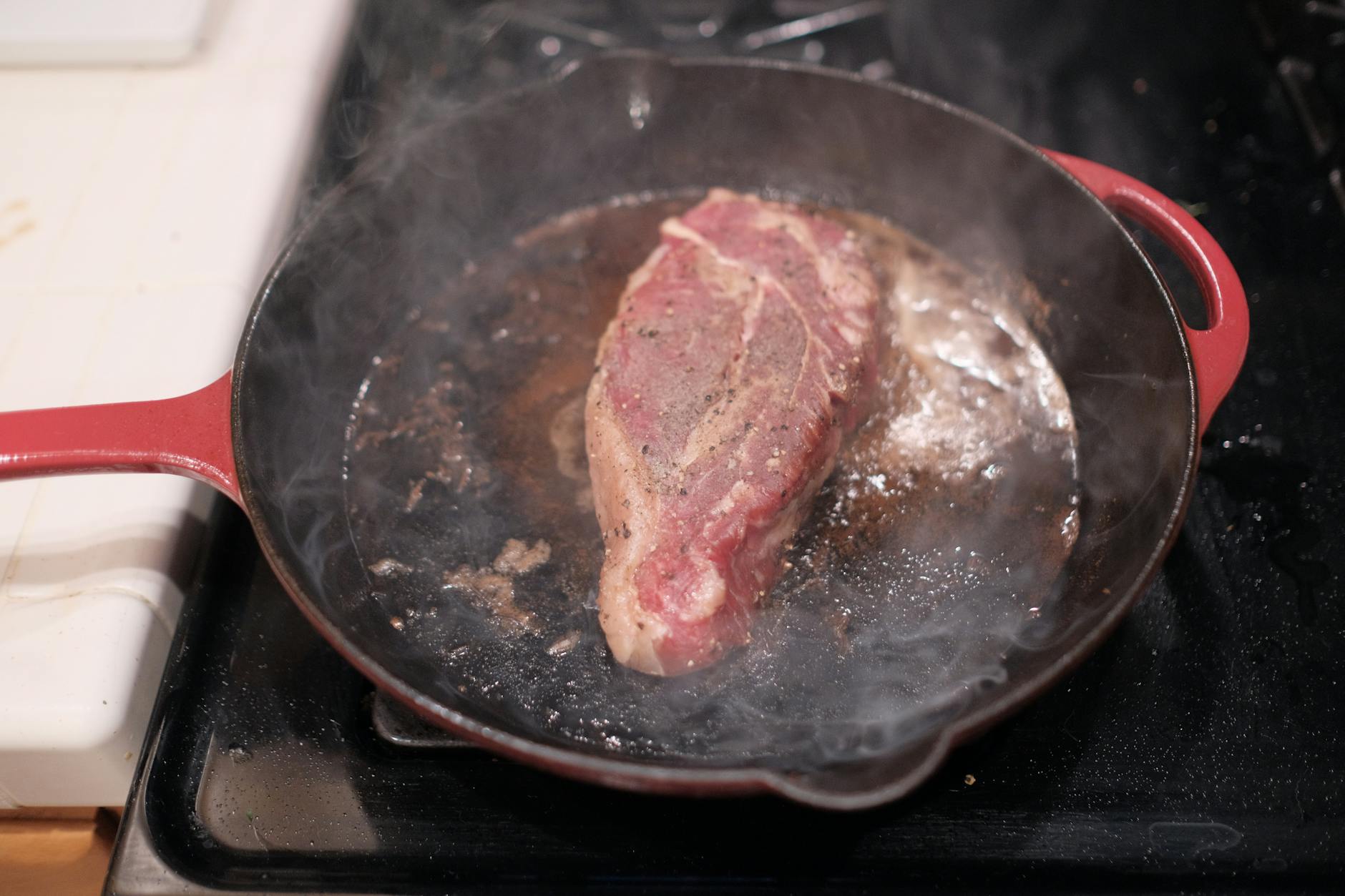
Equipment: Small heavy-bottomed skillet, heat-proof bowl.
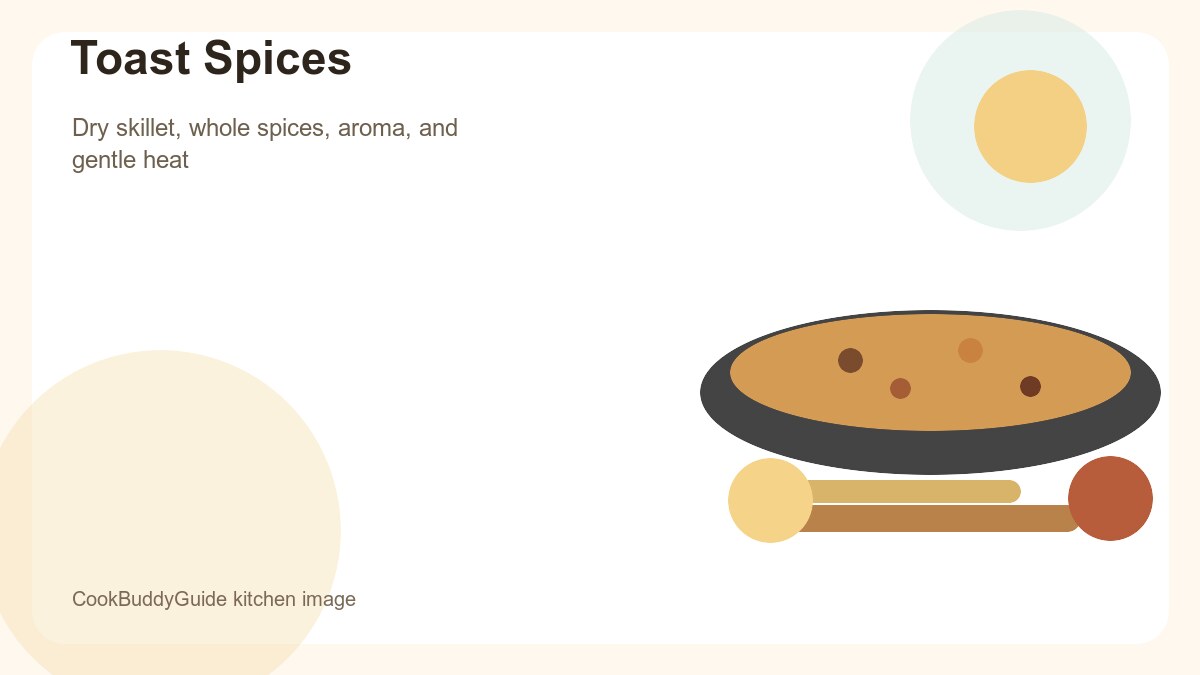
- Preheat the Pan: Place your skillet over medium-low heat. Do not add oil or butter. Let the pan get warm for about 1 minute.
- Add the Spices: Pour your whole spices into the dry pan. Ensure they are in a single layer; overcrowding leads to uneven toasting.
- Agitate Constantly: Using a wooden spoon or by shaking the pan handle, keep the spices moving. This is crucial. If they sit still, the side touching the pan will burn before the rest of the seed is warmed through.
- The Nose Test: After 2-3 minutes, you will begin to smell a fragrance. It should smell nutty and intense. This is your signal that the volatile oils are releasing.
- Check the Color: Look for a slight darkening. Cumin will turn a deeper brown; coriander will look golden.
- The Immediate Cooling Rule: As soon as the spices are fragrant and slightly darkened, immediately pour them out of the hot pan and into a cool bowl. If you leave them in the pan—even with the heat off—the residual heat will continue to cook and eventually burn them.
The Oven Method: Best for Large Batches and Meal Prep
When to Use the Oven Instead of a Skillet
Temperature and Timing Guidelines
For the oven method, consistency is key. Preheat your oven to 325°F (165°C). This relatively low temperature gives you a wider window of success and prevents the aromatic compounds from scorching. Spread your spices in a single layer on a rimmed baking sheet. Choose rimmed sheets because rolling spices like peppercorns have a tendency to escape! Bake for 5 to 10 minutes, shaking the tray halfway through. Because you can't smell them as easily as you can on the stovetop, set a timer. Your nose will eventually tell you when they are done—the kitchen will suddenly smell like a spice bazaar.
Visual and Aroma Cues: How to Avoid Burning Your Spices
The 'Golden Brown' Standard
The Fragrance Shift
Your nose is your most valuable tool. Raw spices often have a "green" or "sharp" scent. As they toast, that scent mellows and broadens. You’ll notice a shift toward nuttiness. According to fragrant and slightly darkened guidelines, the peak of flavor is reached just as the aroma becomes most intense. If the smell starts to turn acrid or smoky, remove them from the heat immediately. A small amount of smoke is a warning; a lot of smoke means you need to start over.
What to Do if You Burn Them
Top Spices That Benefit Most from Toasting
Cumin and Coriander: The Power Duo
Mustard Seeds and Peppercorns
Toasting mustard seeds is an adventure. As they heat up, they will begin to "pop" like tiny kernels of popcorn. This is a sign that the moisture inside is turning to steam and breaking the hull. This significantly mellows their spicy bite. Peppercorns also benefit immensely; toasting them before grinding for a Cacio e Pepe or a steak au poivre adds a layer of woodsy complexity that raw pepper simply cannot match.
Cardamom, Cloves, and Cinnamon Sticks
Don't forget the "hard" aromatics. Even though they are large, cinnamon sticks and star anise benefit from a quick toast. This is especially helpful if your spices have been sitting in the spice rack for a few months. The heat helps to revive older pantry staples by drawing the remaining essential oils to the surface. For cardamom, consider toasting the whole pods, then cracking them open to extract the seeds for grinding.
When to Keep Spices Raw: Exceptions to the Rule
Delicate Herbs and Floral Spices
While toasting is a "helpful shortcut," it isn't a universal rule. Delicate dried herbs like oregano, parsley, or cilantro should never be dry toasted. The heat will simply destroy their fragile flavor compounds, leaving them tasting like hay. Similarly, very floral spices like saffron or certain types of dried chilies (like Ancho) are often better rehydrated in warm liquid rather than subjected to the harsh, dry heat of a skillet.
Specific Culinary Traditions
Some cuisines rely on the "bright" and "sharp" notes of raw spices. For example, some traditional pickling recipes or certain fresh chutneys use raw mustard seeds for their pungent, sinus-clearing heat. When a recipe specifically calls for raw spices, respect the intent. The goal is often a "high" note to balance out "low" toasted notes. Layering both toasted and raw spices in a single dish—like using toasted cumin in a curry and finishing it with a raw spice blend like Garam Masala—creates a professional, multi-dimensional flavor profile.
How to Grind and Store Your Toasted Spices
Mortar and Pestle vs. Electric Grinder
Storage Tips for Maximum Freshness
After grinding spices after toasting, you should use them immediately if possible. If you have leftovers, store them in airtight glass jars away from direct light and heat. While whole spices last a year, toasted and ground spices will start to lose their "punch" after about 2-4 weeks. Label them with the date so you don't forget. Remember: the shelf life of a toasted spice is shorter because the oils have already been "activated" and are more prone to going rancid.
Common Mistakes to Avoid
Walking Away from the Stove
This is the number one mistake home cooks make. You think you have time to chop an onion while the spices toast. You don't. Spices can go from perfectly toasted to ruined in 10 seconds. Stay with the pan. Watch the color. Smell the air. This is a 3-minute commitment that requires your full attention.
Overcrowding the Pan
If you put too many spices in the pan, they won't toast; they’ll steam. For the dry skillet toasting method to work, each seed needs direct contact with the heat source. If you’re making a large amount, work in batches or switch to the oven method described above. Refer to the dry skillet toasting method for more tips on heat distribution.
Using High Heat
High heat is the enemy of spice toasting. It scorches the outside of the seed while leaving the inside raw. Medium-low heat is your "sweet spot." It allows the heat to penetrate the center of the seed, warming the volatile oils thoroughly without burning the delicate exterior.
Frequently Asked Questions
A: No. Spices should be dry when they hit the pan. Moisture will cause them to steam rather than toast, preventing the Maillard reaction from occurring.
A: It’s best to toast the whole pod. The shell protects the seeds from direct heat, allowing them to warm up gently. Once toasted and cooled, you can easily crack the pods and discard the husks.
Conclusion: Your Path to Flavor Mastery
Mastering how to toast spices is a rite of passage for any serious home cook. It’s a simple, low-cost toasting spices technique that yields massive dividends in the kitchen. By understanding the science of volatile oils, maintaining strict heat control, and learning to trust your nose, you can unlock a world of flavor that pre-ground spices simply cannot provide. The next time you reach for that jar of cumin, stop. Reach for the whole seeds instead, grab your cast iron skillet, and spend three minutes toasting. Your taste buds—and anyone lucky enough to eat at your table—will thank you.