Quick Answer
Whisk 3 tablespoons each of neutral oil and flour with 1/4 cup chili powder, then gradually add 2 cups of low-sodium broth. Season with cumin, garlic, oregano, and salt; simmer for 5 to 8 minutes until the sauce coats a spoon. Keep the heat moderate while blooming the spices so the chili powder does not turn bitter.
Practical note
Measure the broth before heating the pan and keep it within reach. Once flour and chili powder hit the oil, the mixture needs steady whisking and prompt dilution; lingering over high heat is the most common route to a scorched, bitter sauce.
Decision table
| Situation | Likely cause or meaning | Best move |
|---|---|---|
| Sauce tastes bitter | Chili powder or roux scorched | Restart over lower heat; sweetness cannot fully hide burnt spice. |
| Sauce is lumpy | Broth was added too quickly | Whisk in small additions or blend briefly before serving. |
| Sauce is too thick | It reduced too long | Whisk in broth 1 tablespoon at a time. |
| Sauce is too thin | It needs more reduction | Simmer uncovered for another 2 to 4 minutes. |
How to make red enchilada sauce
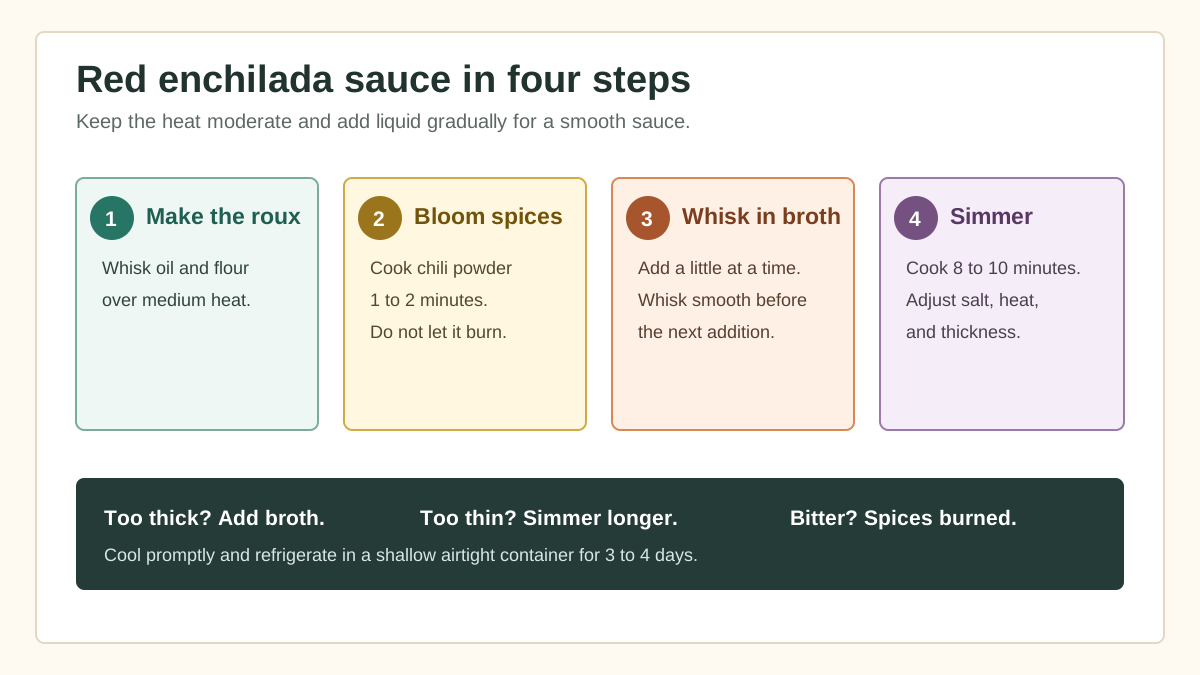
- Measure the chili powder, seasonings, and broth before heating the saucepan.
- Warm the oil over medium heat, then whisk in the flour and chili powder.
- Cook for 1 to 2 minutes, whisking constantly, until fragrant but not dark or acrid.
- Add broth gradually while whisking until the sauce is smooth.
- Add the remaining seasonings and simmer for 5 to 8 minutes.
Common mistakes
- Using cayenne as the full chili-powder measure.
- Blooming the spice mixture over high heat until it smells burnt.
- Pouring all the broth in at once and trapping flour lumps.
- Using salty broth before tasting the finished sauce.
Related topic hubs
A practical pantry-style red enchilada sauce
This homemade red enchilada sauce is a useful option when you want to control the salt, heat, and consistency instead of opening a can. The method takes about 15 minutes and uses common pantry ingredients: oil, flour, chili powder, broth, and dried spices.
This pantry-style sauce uses ground chili powder, a light roux, broth, and dried spices. It is faster than a sauce made from whole dried chiles and gives you direct control over salt, heat, and thickness.
Table of Contents
- Why You Should Never Buy Canned Enchilada Sauce Again
- The Essential Ingredients for a Rich Red Base
- Step-by-Step: How to Make Enchilada Sauce from Scratch
- Mastering the Flavor Balance: Heat, Earth, and Herb
- Troubleshooting Common Enchilada Sauce Mistakes
- Storage, Freezing, and Meal Prep
- Beyond the Enchilada: Creative Ways to Use Your Sauce
- The Official CookBuddyGuide Recipe Card
Why make enchilada sauce at home?
Homemade sauce lets you control the chili pepper intensity, salt level, thickness, and broth choice. Canned sauce remains a useful shortcut, but this version is practical when you have fifteen minutes and basic pantry spices.
The Flavor Profile: Depth, Smoke, and Spice
Briefly blooming the spices in the oil-and-flour mixture disperses their flavor through the fat. Keep the heat moderate and whisk constantly; chili powder can become bitter quickly if it scorches.
A tomato-free pantry version
Enchilada sauces vary widely by region and household. This quick version is tomato-free and uses ground chili powder with a flour-and-oil roux; it should not be confused with traditional chile sauces made by soaking and blending whole dried chiles.
The working ratio is 3 tablespoons of fat, 3 tablespoons of flour, 1/4 cup chili powder, and 2 cups broth. Simmering time determines the final thickness, so stop when the sauce lightly coats a spoon.
The Essential Ingredients for a Rich Red Base
To get that smoky and savory profile, you need to be picky about your pantry staples. You don't need a lot of ingredients, but the ones you use must be high quality.
Choosing the Right Chile Powder
Check the label before measuring: American-style chili powder is usually a mild spice blend, while ground ancho or New Mexico chile is a single type of dried pepper. A familiar chili powder blend makes a balanced base; ground ancho can add a sweeter, smokier note. Use cayenne only in a small amount because it raises the heat quickly.
The Fat and Flour: Building Your Roux
A roux gives this sauce body and helps keep the spices dispersed. Neutral oils such as canola, grapeseed, or avocado keep the chili flavor prominent. For a gluten-free option, use a suitable 1-to-1 gluten-free flour blend or the cornstarch slurry method in the troubleshooting section.
To learn more about the technique, you can check out this guide on mastering the basic roux. It’s a fundamental skill that will improve your gravies, stews, and sauces across the board.
Broth Selection: Chicken vs. Vegetable
Chicken broth gives the sauce a fuller savory flavor, while vegetable broth keeps it vegetarian. Choose a low-sodium broth so the sauce can reduce without becoming overly salty.
Step-by-Step: How to Make Enchilada Sauce from Scratch
This sauce moves quickly once the roux starts cooking, so measure every ingredient before turning on the stove.
Toasting the Spices: Unlocking Volatile Oils
Heat your oil in a small saucepan over medium heat. Once the oil is shimmering (but not smoking), whisk in the flour and the chili powder. This is called blooming spices in oil. You want to cook this mixture for exactly 1 to 2 minutes.
Visual cue: The mixture should bubble gently and darken from bright red toward rusty red. It should smell fragrant and toasted, never sharp or burnt. Blooming the spices briefly in fat helps distribute their aroma through the sauce; this guide to blooming spices in oil explains the technique.
The Perfect Whisk: Preventing Lumps in Your Roux
Once your spices are toasted, it’s time to add the broth. This is where most people panic and end up with lumpy sauce. The secret is the "slow-pour" technique. Add about 1/4 cup of broth at a time, whisking vigorously after each addition. The mixture will initially turn into a thick paste—don't worry! Keep whisking and adding liquid slowly. By the time you’ve added half the broth, the sauce should be smooth and liquid enough that you can pour the rest in a steady stream.
The Simmer: Achieving the Ideal Coating Consistency
Bring the sauce to a gentle bubble, then reduce the heat to low. Let it undergo a light simmering for about 5 to 7 minutes. You are looking for the sauce to thicken enough to "coat the back of a spoon." This means if you dip a metal spoon into the sauce and run your finger through the middle, the line should stay clean without the sauce running back into the gap. This ensures the sauce stays on the enchiladas rather than pooling at the bottom of the baking dish.
Mastering the Flavor Balance: Heat, Earth, and Herb
A great homemade red enchilada sauce should hit several notes: heat, salt, acidity, and earthiness. If your sauce tastes "flat," it’s likely missing one of these components.
Cumin and Oregano: The Soul of the Sauce
While the chili powder provides the bulk of the flavor, cumin and Mexican oregano provide the soul. Mexican oregano is actually related to lemon verbena and has citrusy, floral notes that differ significantly from the savory, peppery Mediterranean oregano found in pizza sauce. If you can find it, use it! It makes a world of difference. Beyond flavor, these spices offer surprising perks; there are many health benefits of spices, including antioxidant properties that make your easy weeknight dinner even better for you.
Adjusting the Heat Level for Families
If you are cooking for kids or those with a low spice tolerance, you can modify this enchilada sauce recipe easily. Simply swap half of the chili powder for smoked paprika. You still get the beautiful red color and the smoky aroma, but with significantly less capsaicin heat. Conversely, if you want more fire, add 1/2 teaspoon of chipotle powder or a splash of adobo sauce from a can of chipotles.
The Secret Ingredient: A Touch of Cocoa or Cinnamon?
Troubleshooting Common Enchilada Sauce Mistakes
Even with careful planning, I still have the occasional kitchen mishap. Here is how to fix the most common issues with homemade red enchilada sauce.
Bitterness usually comes from two things: burning the spices during the blooming phase or using a low-quality chili powder that contains too many seeds and stems. If your sauce is already made and tastes bitter, try adding a teaspoon of sugar or honey and a tiny splash of apple cider vinegar. The sugar and acid will help neutralize the bitter compounds.
If you’ve simmered it for 10 minutes and it’s still watery, don't keep boiling it (which can change the flavor). Instead, mix 1 teaspoon of cornstarch with 1 tablespoon of cold water to create a slurry. Whisk this into the simmering sauce and it will thicken almost instantly.
This happens if you don't cook the roux long enough before adding the liquid. To fix it, you simply need to simmer the sauce for an extra 5 minutes. The heat will eventually break down the starch molecules and remove that "pasty" aftertaste.
Storage, Freezing, and Meal Prep
Fridge Storage for Busy Weeknights
Cool the sauce promptly, transfer it to a shallow airtight container, and refrigerate it for 3 to 4 days. It may thicken as it chills; reheat it gently with a tablespoon or two of broth or water until it reaches the consistency you need. Follow USDA guidance for cooling and storing leftovers.
The Best Way to Freeze and Thaw
Freeze the cooled sauce in 1-cup portions for up to three months for best quality. Silicone freezer molds or small freezer-safe containers make it easy to thaw only what you need for a quick ground beef dinner. Thaw overnight in the refrigerator, then reheat gently while whisking.
Reheating Tips
When reheating, avoid high heat. If the sauce boils too violently, the emulsion of the roux can break, causing the oil to separate. Reheat over low-medium heat, whisking occasionally to keep the texture silky smooth.
Beyond the Enchilada: Creative Ways to Use Your Sauce
While the name suggests a single use, this enchilada sauce recipe is actually a versatile "mother sauce" for your kitchen. There are countless versatile uses for enchilada sauce that can save you on a busy night.
As a Braising Liquid for Slow Cooker Meats
Instead of using plain broth, use this sauce to braise pork shoulder or beef chuck. The spices and flour in the sauce will create a built-in gravy as the meat cooks. This is the secret to "Barbacoa-style" shredded beef that tastes like it came from a high-end restaurant. It’s also a great way to use up leftover rotisserie chicken—just shred the chicken, toss it in the sauce, and heat it through.
A Practical Quick Taco Sauce
Thin the sauce out with a little extra broth and a squeeze of lime juice, and you have a pourable street taco condiment. It’s much more sophisticated than standard hot sauce and adds a rich, earthy layer to simple grilled meats.
Breakfast Inspiration: Chilaquiles and Huevos Rancheros
For a weekend brunch, fry up some corn tortilla chips, toss them in this warm sauce, and top with a fried egg and crumbled cotija cheese. You’ve just made world-class Chilaquiles in under 10 minutes. The smoky and savory notes of the sauce pair perfectly with the richness of a runny egg yolk.
Quick Red Enchilada Sauce
A tomato-free pantry sauce made with ground chili powder, roux, and broth.
Ingredients
- 3 tbsp Neutral Oil (Avocado, Grapeseed, or Canola)
- 3 tbsp All-Purpose Flour (or GF 1-to-1 blend)
- 1/4 cup High-Quality Chili Powder
- 1/2 tsp Ground Cumin
- 1/2 tsp Garlic Powder
- 1/4 tsp Mexican Oregano (rubbed between palms)
- 1/4 tsp Salt (adjust to taste)
- 2 cups Vegetable Broth or Chicken Broth
- Optional: 1/4 tsp unsweetened cocoa powder
Instructions
- Make the Roux: In a medium saucepan over medium heat, add the oil. Once hot, whisk in the flour and chili powder.
- Bloom Spices: Cook the flour and spice mixture for 1-2 minutes, whisking constantly. It should become fragrant and slightly darker in color. Do not let it burn!
- Add Liquid: Slowly pour in the broth, about 1/4 cup at a time, whisking vigorously to remove any lumps.
- Season: Whisk in the cumin, garlic powder, oregano, salt, and cocoa powder (if using).
- Simmer: Increase heat to bring to a gentle boil, then reduce to low. Simmer for 5-8 minutes until the sauce thickens and can coat the back of a spoon.
- Finish: Taste and add more salt if needed. Use immediately or store for later.
How to use the finished sauce
This homemade red enchilada sauce gives you a flexible base for enchiladas, casseroles, and other weeknight meals. Toast the spices without burning them, add the broth gradually, and adjust the finished consistency for the dish you are making.
Use it with quick ground beef recipes, shredded chicken, beans, or roasted vegetables. Freeze any extra in measured portions so the next batch is ready with less prep.